Home / Industry Insights
Used Excavator Hours vs Undercarriage Wear: What Buyers Should Compare
Buying a used excavator? Compare recorded hours, track wear, service evidence and repair scope before choosing a machine or accepting an export quote.
October 30, 2026 · Buying Guide
Quick answer: Choose a used excavator by its documented condition and suitability for your work, rather than its hour-meter reading alone. Ask for an identified machine, maintenance evidence, measured undercarriage wear and an independent inspection scope. A lower reading cannot establish remaining life, and new paint cannot establish mechanical condition.
A used excavator with a clean cab and a low hour reading can look like an easy purchase. The harder question is whether its tracks, hydraulics and working equipment justify the asking price. Buyers comparing similar machines need a way to connect photographs and seller statements to the repairs they may face after delivery.
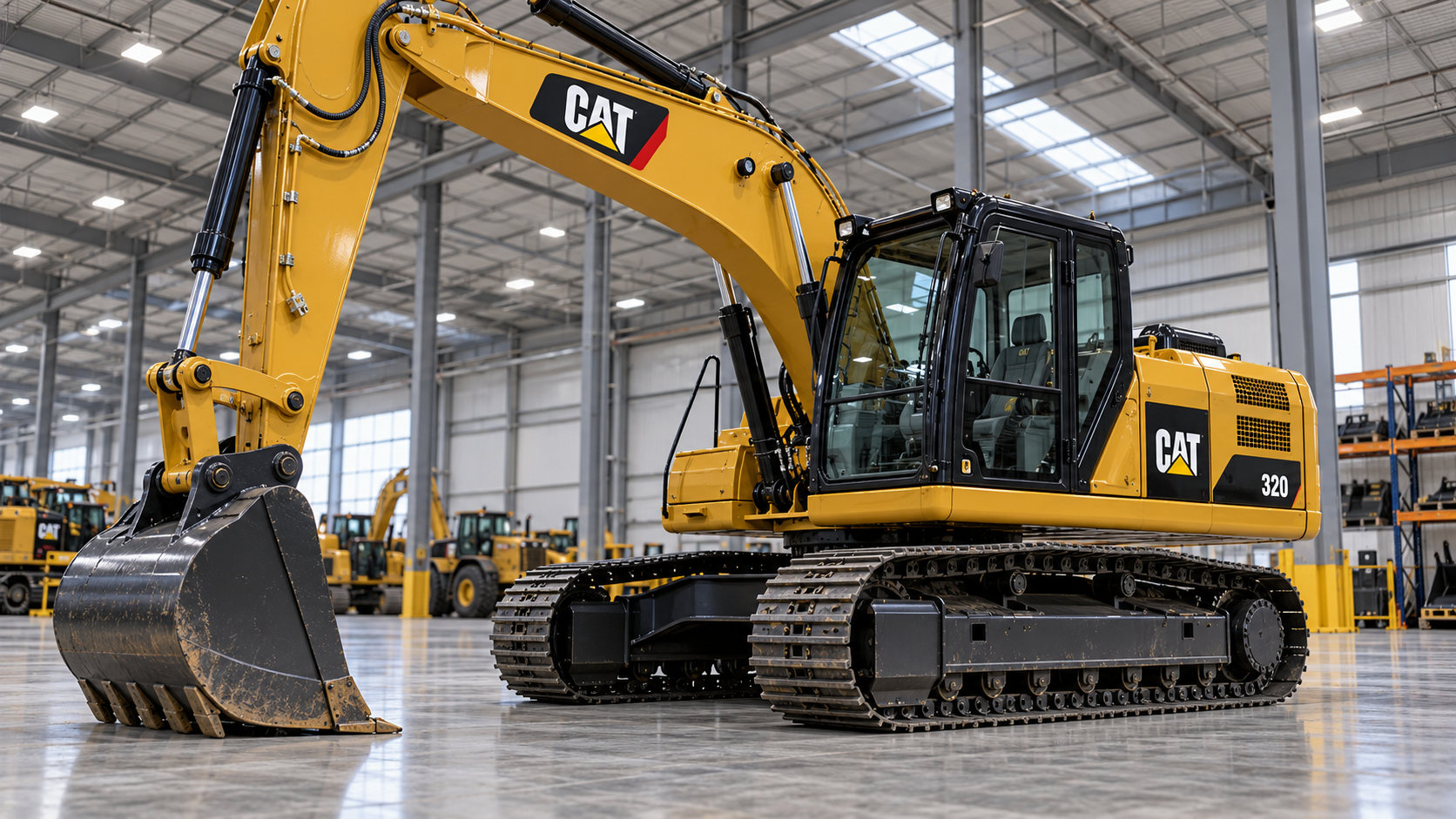
This guide explains how to compare used excavator hours and undercarriage wear when buying locally or sourcing from China. A used CAT 320 excavator is one example; the method also applies to other crawler excavators when the measurements and inspection procedures match the exact model and configuration.
What does an excavator hour meter actually tell a buyer?
The meter provides a recorded operating-hours figure. Treat it as one piece of evidence to compare with service records, available controller information and physical condition. It does not by itself tell you the loads handled, ground conditions, maintenance quality or repairs already completed.
Request a clear photograph of the display and ask the seller to state whether the reading is verified, simply displayed or uncertain. Where the machine supports it, ask a qualified technician whether diagnostic information can help cross-check the figure. A replaced display, missing service history or a discrepancy deserves an explanation before you value the unit.
Do not assume a particular number of hours makes every machine good or bad. Light handling work, abrasive ground, long travel distances and neglected maintenance create different wear patterns. Compare evidence for the actual machine instead of applying an unsupported universal hour limit.
Why the crawler undercarriage deserves a separate assessment
The undercarriage is a system of interacting components. Attractive track shoes do not establish the condition of the chain, pins and bushings, sprockets, rollers or idlers. A fresh-looking component may sit beside worn parts, and a photograph from one side may conceal a different condition on the other.
Ask an inspector to record each side separately and use the manufacturer's relevant wear limits and measurement method. Avoid accepting an unexplained statement such as “80% undercarriage” as a complete report. Find out what was measured, which reference was used, who performed the inspection and which components were excluded.
| Evidence requested | What it helps you assess | Question to resolve |
|---|---|---|
| Both track chains and shoe assemblies | Uneven wear, damage and replacement history | Were parts replaced together or individually? |
| Close photographs of sprockets, rollers and idlers | Visible damage, leaks and component differences | Which items require measurement or repair? |
| Measured wear report with model-specific references | Wear against an identified reference | Are results recorded for both sides? |
| Travel demonstration on suitable ground | Observed travel behavior during that demonstration | Does the inspector identify further investigation? |
| Written repair estimate | Potential expenditure beyond purchase price | Does it cover parts, labor and related work? |
A practical comparison: lower hours or better documented condition?
Suppose one offer advertises fewer hours but has no maintenance documents and only distant photographs. Another has a higher displayed reading, a serial-linked inspection and a clearly described repair history. Neither should win automatically. The second offer gives you more information to evaluate; the first needs additional evidence before it can be compared fairly.
Build a worksheet with purchase price, identified repairs, inspection cost and the uncertainty that remains. Obtain repair estimates from a relevant service provider in your receiving market. Do not turn an uncertain wear percentage into an invented replacement cost or a guaranteed number of remaining working hours.
Include the time and access needed for repairs. A machine that needs immediate work may still suit a buyer with workshop capacity, but may be unsuitable for an urgent job with no backup equipment. Match the decision to your operating plan, attachment requirements and support arrangements.
How to request useful evidence from a remote supplier
- Identify the unit. Request the model, serial or product-identification number, current location and the exact attachment package offered.
- Ask for recent material. Request a walkaround that shows the machine identity, both sides of the tracks, working equipment and cab display. Ask when it was recorded.
- Define the inspection. Agree what the technician will measure, observe and report. Ask about access limitations and whether the equipment can be operated safely for the agreed checks.
- Record uncertainty. Have missing records, unverified hours and inaccessible components listed explicitly.
- Connect the report to the offer. Confirm that the inspected unit is the one named in the quotation and any later purchase documents.
A video is useful for screening, but it cannot replace every physical measurement or establish performance under all working conditions. If an important check is missing, request it or include the unresolved point in your decision. Do not infer a passed inspection merely because the engine starts on camera.
Keep hydraulic and attachment checks in the comparison
Undercarriage evidence should not crowd out the rest of the machine. Ask a qualified inspector to define suitable checks for hydraulic response, visible leaks, working-equipment play, attachments and structural condition. The correct procedure depends on the machine and available facilities.
For a breaker, quick coupler or other attachment, confirm compatibility and the actual equipment supplied. Ask whether required lines, fittings or controls are present and included in the quote. A bucket-only offer and an attachment-ready offer can have different preparation costs.
Compare similar test conditions wherever practical. A short idle demonstration and a documented operating inspection are different evidence packages. Request the report's limitations instead of assuming that every possible fault has been ruled out.
Turn condition findings into a clear export enquiry
When you buy a used excavator from China, send the supplier your job type, preferred size, attachment needs and destination port. Ask for the machine price and transport scope separately, with the named delivery term, quote validity and exclusions.
Use the same machine identification across the inspection report, quotation and shipment preparation records. Confirm measured cargo dimensions and the shipment configuration with the transport provider before accepting a freight estimate. Mechanical condition and transport readiness are related purchase questions, but they need their own evidence.
Browse the used machinery catalogue to choose candidate units, compare the used CAT 320D listing, and read the FOB versus CIF quotation guide before comparing delivery prices. Current unit details and evidence should be confirmed with the seller.
Questions buyers often ask
Is a low-hour used excavator always the better buy?
No. Compare the credibility of the reading, maintenance evidence, measured wear, repair scope and suitability for your work. A low number alone cannot establish value.
Can I estimate undercarriage life from photographs?
Photographs can reveal visible concerns and guide inspection requests. They cannot reliably replace model-specific measurements or establish a guaranteed remaining service life.
Does a 95% new description mean mechanical condition is verified?
No universal mechanical conclusion follows from that phrase. Ask the seller to define the description and provide unit-specific inspection evidence. Near-new paint and panels do not confirm internal condition.
Should I reject every machine with replaced track parts?
No. Ask what was replaced, why, when and with which parts, then have the overall system assessed. Repair history is useful when documented and linked to the offered unit.
What should I send to request an appropriate machine?
Send your work application, size preference, attachment requirements, budget scope and destination port. Ask for current photos, displayed-hours status, inspection options and a written quote for an identified unit.
Next step: Request a machine-specific quotation and specify that you want both hour-reading evidence and an undercarriage inspection scope. Compare the evidence before making the purchase decision.