Used CAT 320GC Excavator for Sale
Quick answer for buyers
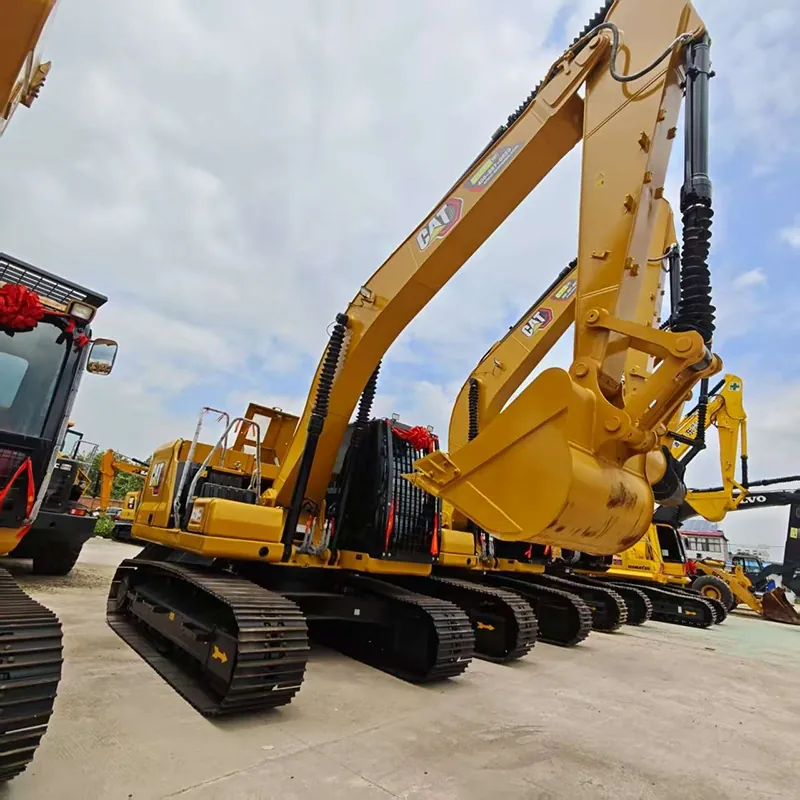
This used CAT 320GC excavator is a pre-owned crawler machine reference in the 21.9t class, with a 1.0m3 bucket reference. The listing price is USD $20,000. Confirm the exact serial number, operating hours, condition, attachments, current availability and destination-port terms for the specific unit before payment.
- Listed price
- USD $20,000
- Reference operating weight
- 21.9t
- Reference bucket capacity
- 1.0m3
Model overview
A used CAT 320 GC excavator is a roughly 20–22 ton hydraulic crawler excavator, and unlike most of the model variations we've covered elsewhere in our lineup, this one isn't a different generation or a different undercarriage option — it's a distinct trim tier that Caterpillar sells alongside its standard 20-ton class machine, deliberately positioned as the value-priced choice for buyers whose work doesn't need the higher specification levels above it in the same lineup. Understanding that positioning matters more than it might seem, because "value-priced" here doesn't mean "cut-rate" — it means a machine specifically engineered to deliver lower cost-per-hour for a genuinely different type of buyer than the ones targeted by Caterpillar's mid-tier and premium 20-ton offerings. This unit has already been through our pre-sale inspection, including confirmation of its specific trim tier. Before covering condition and shipping, it's worth explaining what this designation actually means, since it's easy to assume it's simply a cheaper or stripped-down version of a "real" 320 rather than a deliberately engineered product built for a specific type of buyer in its own right.
Why Caterpillar Sells Three Different Trims at the Same Weight Class
Caterpillar's 20-ton class lineup has, at points in its recent history, included three distinct trims aimed at three different types of buyers running three different duty cycles: this value-tier model, positioned for low-to-medium duty work at the lowest cost-per-hour; a mid-tier model with more standard technology built in, aimed at medium-to-heavy duty general use; and a premium-tier model with the most power and lift capacity of the three, aimed at buyers who need maximum capability and are willing to pay for it. This is a genuinely deliberate segmentation strategy, not an accident of naming — Caterpillar built three different products to match three different customer priorities within the same basic weight class, rather than offering one machine and letting buyers over- or under-pay for capability they didn't need. This approach mirrors how a lot of major equipment manufacturers have moved their lineups over the past decade, recognizing that a single one-size-fits-all machine at each weight class was leaving money on the table in both directions — charging heavy-duty buyers less than they'd willingly pay for maximum capability, while charging light-duty buyers more than they needed to for features they'd rarely use. Splitting one weight class into multiple trims lets a manufacturer price each one closer to what a specific buyer segment actually values, which is good news for a buyer who takes the time to figure out which segment they actually belong to rather than defaulting to whichever trim happens to be most heavily advertised.
What You Actually Give Up, and What You Don't
The honest answer is that this trim reduces some of the standard technology integration and duty-cycle rating found on the tiers above it, in exchange for lower acquisition cost, lower fuel consumption, and lower ongoing maintenance expense. What doesn't change is the fundamental digging capability for the work this trim is actually built for — foundation work, general earthmoving, and typical commercial site work at a pace that doesn't push the upper limits of what this weight class can sustain. This isn't a machine built to disappoint buyers doing heavy, continuous production work; it's a machine built to not overcharge buyers who were never going to need that level of duty cycle in the first place.
Why "Low Cost" Doesn't Mean "Low Quality"
It's worth being direct about a common misconception: choosing the value tier isn't a compromise on build quality or reliability, it's a match to a specific type of use case. The core engine, hydraulic system, and structural engineering underneath this trim come from the same platform development as the tiers above it — the differences are concentrated in duty-cycle rating and the technology package, not in whether the machine is well-built. A buyer running this trim within its intended duty cycle generally gets years of reliable service at a lower total cost than they would have paid for a higher tier they didn't need, which is exactly the outcome Caterpillar designed this positioning to deliver. This distinction matters most when you're comparing a used unit from this trim against a used mid-tier or premium unit at a similar price point, which happens more often than you'd expect once machines have accumulated a few years of depreciation. A well-maintained unit from this value trim, still working comfortably within its intended duty cycle, is frequently a better buy than a higher tier unit that's been run hard beyond what even its higher rating was meant to sustain. The trim level on the spec sheet only tells you what a machine was designed for — the actual condition of the specific unit in front of you tells you what it can still deliver.
Verifying You're Actually Getting This Specific Trim
Because these three trims can look similar enough at a glance — especially once a machine has some hours and dirt on it — confirming which one you're actually buying matters for setting accurate expectations about duty-cycle rating and technology features, and it matters for resale, since a buyer specifically seeking this trim's lower price point shouldn't end up paying mid-tier prices for a machine mislabeled or misremembered somewhere along its ownership history. We confirm trim level directly through the serial number and build plate rather than relying on how a previous seller described the unit, the same standard of verification we apply to any specification claim on a used listing. This kind of confirmation also protects a buyer from an honest but costly mix-up rather than only guarding against deliberate misrepresentation. A machine that's changed hands several times, possibly across different countries and dealer networks, can easily pick up an inaccurate description along the way simply because someone along the chain wasn't precise about which trim they were describing. Verifying directly against the build plate sidesteps that whole chain of secondhand information and gives you an answer grounded in the machine itself.
Engine and Working Specifications
This platform runs a Caterpillar C4.4 diesel meeting current-generation emissions standards, delivering net output broadly comparable to the tiers above it, tuned specifically around this trim's intended duty cycle rather than maximum sustained output. Operating weight typically falls between about 20,500–21,900 kg depending on configuration, standard bucket capacity is usually in the 0.8–1.2 m³ range, maximum digging depth generally runs around 6.6–6.8 m, and maximum digging reach typically falls between 9.7–9.9 m. Travel speed usually reaches roughly 5.5 km/h in high range. As always, these figures describe the general platform rather than confirming every detail of this specific unit — the exact bucket size and any additional equipment fitted are documented in this machine's individual spec sheet, alongside its trim verification notes.
Where This Trim Genuinely Makes Sense
This value tier is the right choice for buyers whose work is consistently low-to-medium duty — general contractors running steady but not continuous digging work, buyers prioritizing the lower fuel and maintenance cost per hour above maximum capability, and operations where the technology features on higher tiers wouldn't actually get used regularly enough to justify their added cost. It's a poor fit for continuous heavy-duty production work, where the higher duty-cycle rating of the tiers above it genuinely earns its higher price. Matching your actual work pattern to this trim's intended use case, rather than choosing based on price alone, is the difference between a genuinely good value and a machine that's underspecified for what you actually need.
What to Check Before Buying a Used Machine at This Trim Level
Beyond the general engine and hydraulic checks that apply to any used excavator, a few points matter specifically here: **Trim level verification through serial number and build plate**, confirming this unit is genuinely this value tier rather than a mid-tier or premium unit mislabeled somewhere along its ownership history **Duty-cycle consistency with claimed usage**, checking that wear patterns are consistent with low-to-medium duty work rather than showing signs of having been run beyond this trim's intended rating **Standard hydraulic and engine checks**, scaled to this trim's intended performance envelope rather than compared against the higher tiers' specifications **Technology package confirmation**, verifying which standard features this specific unit actually includes, since this varies by trim and sometimes by region **General structural and undercarriage condition**, checked the same way as on any used excavator at this weight class Each of these is documented in the condition report and verification notes provided with this listing.
Shipping This Machine Overseas
At this weight and size, this machine typically loads into a standard container with the boom and arm removed, following the same general process as other 20-ton class machines in our lineup. The rest of the export process follows our usual steps: confirming the unit and price, agreeing payment terms, a final pre-shipment inspection with current photos or video, preparing export documentation, and coordinating loading and vessel booking based on your destination port's requirements.
CAT 320GC buyer FAQ
What does the "GC" designation actually mean?
It identifies this as Caterpillar's value-priced trim within its 20-ton class lineup, engineered for low-to-medium duty work at a lower cost-per-hour than the mid-tier and premium trims sold alongside it, rather than referring to a different generation or configuration.
Is this a lower-quality machine than the standard 320?
No — the core engine, hydraulics, and structural engineering come from the same platform development. The difference is in duty-cycle rating and technology package, matched to a specific type of buyer, not in fundamental build quality.
How do I know I'm actually buying this trim and not a mid-tier unit?
We confirm it directly through the serial number and build plate rather than relying on a listing description, since the trims can look similar enough at a glance that confirming this directly matters for accurate expectations and fair pricing.
What's the practical difference between this and the premium trim in the same lineup?
The premium trim offers more power and lift capacity along with standard integrated technology, aimed at buyers needing maximum capability. This trim trades some of that duty-cycle headroom for meaningfully lower fuel and maintenance cost, suited to lighter, steadier work.
Is this trim a good fit for heavy, continuous production work?
Generally not the ideal choice — that's exactly the use case the higher tiers in this lineup are built for. This trim is engineered specifically for low-to-medium duty applications, and running it consistently beyond that intended use case is where problems tend to develop.
Does choosing this trim limit which attachments I can run?
Standard attachments like buckets, hydraulic breakers sized appropriately for this duty class, thumbs, and grapples remain compatible. Very heavy-duty attachment work is better matched to the higher tiers in this same weight class.
Related CAT excavators
Request unit-specific details
Tell us your destination port, required quantity and inspection priorities. We will respond with details for the exact machine.
Request unit-specific details · Ask for inspection evidence on WhatsApp · sales@lihangusedmachinery.com