Used CAT 315D2L Excavator for Sale
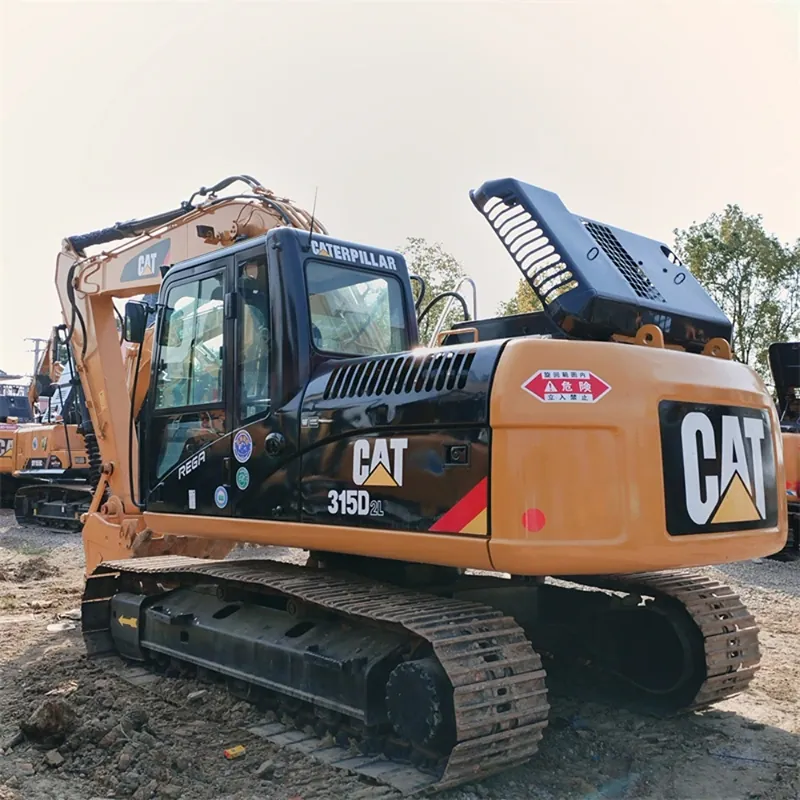
Quick answer for buyers
This used CAT 315D2L excavator is a pre-owned crawler machine reference in the 15.8t class, with a 0.7m3 bucket reference. The listing price is USD $18,000. Confirm the exact serial number, operating hours, condition, attachments, current availability and destination-port terms for the specific unit before payment.
- Listed price
- USD $18,000
- Reference operating weight
- 15.8t
- Reference bucket capacity
- 0.7m3
Model overview
This used CAT 315D2L excavator is a mid-size crawler designed for general contracting, utility work and site development. The catalog records a 15.8t reference weight, 0.7m3 bucket, manufacture-year label and 1,100-hour meter label; each item must be matched to the serial-numbered machine before purchase. Its long-undercarriage designation refers to track-frame length, not simply wider shoes or a wider track gauge. Buyers should request measured frame dimensions, current condition media and a cold-to-warm operating test before assigning value to that configuration.
Three Different Ways an Undercarriage Can Actually Vary
When people talk about undercarriage differences between excavator variants, they're usually referring to one of three genuinely distinct things, and mixing them up leads to confused comparisons between listings. The track gauge is how far apart the two tracks sit side to side, which mainly affects lateral stability and overall transport width. The track shoe width is how wide each individual shoe is, which mainly affects ground pressure and flotation on soft ground. And the track frame length is how long the undercarriage runs front to back, which mainly affects fore-and-aft stability and how much ground contact area the machine has along its length. A listing's long undercarriage refers specifically to the third of these — a longer track frame — which is a different modification than a wider gauge or wider shoes, even though all three broadly aim at improving stability in different directions. Request current, unit-specific evidence and record the result in the written comparison.
What Caterpillar's Long Undercarriage Designation Specifically Means
Caterpillar documents this platform in both a standard and a long drive configuration, with the long version running a measurably longer track frame and correspondingly higher operating weight than the standard version of the same base machine — generally several hundred kilograms heavier once the extended frame and additional undercarriage components are factored in. This isn't an aftermarket modification or a vague marketing term; it's a factory-documented configuration difference with its own weight specification, which is exactly why it's worth confirming precisely rather than taking a used listing's description at face value. A seller either genuinely has the long configuration, with the frame dimensions to prove it, or they don't, and the difference is measurable rather than a matter of interpretation. Request current, unit-specific evidence and record the result in the written comparison.
Why a Longer Track Frame Actually Matters on the Job
A longer undercarriage increases the machine's ground contact length, which improves stability specifically in the fore-and-aft direction — the direction that matters most when digging at maximum reach, lifting a load out in front of the machine, or working on a grade where the ground slopes away from the tracks. A standard-length undercarriage is stable enough for the vast majority of normal digging work, but the margin narrows as an operator works further from the machine or handles heavier loads at extended reach, which is exactly the scenario where the extra few hundred millimeters of track length on a long configuration makes a genuine, measurable difference rather than a marginal one. Buyers doing pipe-laying, utility installation with heavier fittings, or grading work on uneven sites tend to specifically seek out this configuration rather than treating it as an incidental detail worth ignoring when comparing otherwise similar listings. Request current, unit-specific evidence and record the result in the written comparison.
Why Buyers Physically Verify This Rather Than Trust the Label
Undercarriage configuration is one of the easier details to misstate on a used equipment listing, whether through an honest mistake by a previous seller or simply because the visual difference between standard and long configurations isn't dramatic enough to spot confidently in a photo. Before listing an offered unit, buyers should request the actual track-frame measurement and cross-reference it against Caterpillar's documented specifications for both configurations, confirming the machine genuinely carries the long undercarriage rather than assuming it based on how it was described in an earlier listing. This matters because the price and application fit for a long-undercarriage unit are genuinely different from a standard-configuration machine of the same base model, and a buyer choosing a listing specifically for its stability advantage deserves confirmation beyond a label. This kind of verification is a small step that's easy to skip, but it's exactly the sort of detail that separates a well-supported listing from an unsupported listing. A photo taken from a typical angle rarely makes the difference between a standard and long undercarriage obvious, and a seller repeating what they were told when they acquired the machine isn't the same as an independent measurement. Buyers can treat this like any other specification claim worth confirming directly — by obtaining a physical measurement rather than repeating an unsupported description.
Engine and Core Performance
This platform runs a Caterpillar C4.4 ACERT diesel, a smaller-displacement four-cylinder engine than the six-cylinder unit found on Caterpillar's larger mid-size excavators, generally delivering net output in the range of roughly 85 kW (about 114 hp). That's proportionate output for this weight class, keeping fuel consumption reasonable for the general contracting and utility work this size typically handles, without the fuel burn of an engine sized for a heavier machine. During inspection, the technician should run the engine through a full load and idle cycle, checking oil pressure, coolant behavior, and turbo response using the same procedure applied to a comparable used diesel. Request current, unit-specific evidence and record the result in the written comparison.
What the Numbers Actually Look Like
Specifications vary somewhat by generation, but the general range for this platform runs as follows: operating weight in the long undercarriage configuration typically falls between about 15,900–16,700 kg, compared to roughly 15,600–16,300 kg for the standard configuration of the same base machine. Standard bucket capacity is usually in the 0.32–1.07 m³ range depending on the bucket fitted, maximum digging depth generally runs around 6.1–6.5 m, and maximum digging reach typically falls between 9.3–9.75 m. Travel speed usually reaches roughly 5.5 km/h in high range, consistent across both undercarriage configurations. As always, these figures describe the general platform rather than confirming every detail of an offered unit — the exact bucket size and any additional attachments fitted are documented separately in the unit-specific specification sheet, alongside measured undercarriage dimensions when available.
Where This Configuration Gets Chosen Specifically
Typical applications where buyers specifically seek out the long undercarriage configuration include: Utility installation involving heavier pipe sections or fittings lifted at extended reach; grading and finishing work on graded slopes or uneven sites where fore-aft stability matters; general foundation and site work where the machine regularly operates at or near maximum reach; and any application where the previous owner specifically valued the added stability margin over the modest reduction in maneuverability that comes with a longer frame. For general digging work well within the machine's rated capacity, the practical difference between standard and long configurations is less noticeable, which is part of why confirming your actual use case against the configuration matters more than defaulting to "longer is always better."
What to Check Before Buying a Used Machine With This Configuration
Beyond the general engine and hydraulic checks that apply to any used excavator, a few points matter specifically when a long undercarriage configuration is part of the listing: Physical track frame length measurement, confirmed against Caterpillar's documented specifications rather than assumed from a model designation alone Roller and idler count and spacing, since a longer frame sometimes carries an additional roller or different spacing compared to the standard configuration, which is worth confirming matches what's expected Undercarriage wear consistency along the full frame length, checking that wear patterns are even across the longer contact area rather than concentrated unevenly Sprocket and final drive condition, checked the same way as on any used excavator regardless of undercarriage configuration Overall weight verification, which should align with Caterpillar's long-configuration specification rather than falling closer to the standard weight range Ask for each point to be documented in a condition report or independent inspection notes before payment.
Shipping This Machine Overseas
At this weight and size, container suitability depends on measured transport dimensions, weight, dismantling requirements and carrier approval. The slightly longer undercarriage compared to the standard version of this platform doesn't meaningfully change container fit, since the difference in overall length is modest relative to standard shipping constraints. A practical export plan should cover: confirming the unit and price, agreeing payment terms, a final pre-shipment inspection with current photos or video, preparing export documentation, and coordinating loading and vessel booking based on your destination port's requirements.
Next Step
If this configuration fits the stability requirements of your work, ask for measured track-frame dimensions, condition report, and current photos or video for the offered unit, along with a shipping quote to your destination port. Ask the supplier to answer questions about what evidence supports its configuration, how it compares to the standard version of this platform, or whether this stability advantage actually matters for the specific jobs you have planned, before you decide. Request current, unit-specific evidence and record the result in the written comparison.
CAT 315D2L buyer FAQ
What does "long undercarriage" actually mean on this machine?
It refers to a longer track frame front to back, a factory-documented Caterpillar configuration with its own weight specification, distinct from a wider track gauge or wider individual track shoes, which affect stability and ground pressure in different ways.
Is this the same as an "LC" wide undercarriage on other brands?
Not exactly. LC designations on other manufacturers' platforms typically refer to a wider track gauge, affecting side-to-side stability. This configuration is about track frame length, which primarily affects fore-and-aft stability instead — a related but genuinely different engineering change.
How do you actually verify this without just trusting the listing description?
The track-frame length should be measured on the machine and compared against Caterpillar's documented specifications for standard and long configurations, rather than relying on how the unit happened to be described by a previous owner or seller.
Does the longer undercarriage reduce travel speed or maneuverability?
Travel speed is essentially unchanged, since the engine and drive components are the same. The machine's turning characteristics are very slightly different due to the longer frame, though not enough to meaningfully affect typical job-site maneuverability.
Should I choose the long or standard configuration for my work?
If your work regularly involves lifting or digging at extended reach, or grading on uneven ground, the long configuration's added fore-aft stability is a genuine advantage. For general digging work well within the machine's normal working range, the practical difference is smaller.
Does the long configuration cost more to maintain?
Most wear components and maintenance needs are identical to the standard configuration. The longer frame itself has slightly more undercarriage material, which can mean marginally higher costs for undercarriage-specific parts over time.
Why does this listing specifically mention that the configuration was "verified"?
Because undercarriage configuration is easy to misstate, whether accidentally or otherwise, and isn't always obvious from photos. Buyers should obtain an actual track-frame measurement rather than relying on how it was described when acquired, and that distinction should be stated plainly rather than assuming buyers will take it on faith.
Related CAT excavators
- CAT 315D2GC — 15t reference weight
- CAT 312D2GC — 13.2t reference weight
- CAT 312 D — 12.9t reference weight
Request unit-specific details
Tell us your destination port, required quantity and inspection priorities. We will respond with details for the exact machine.
Request unit-specific details · Ask for inspection evidence on WhatsApp · sales@lihangusedmachinery.com