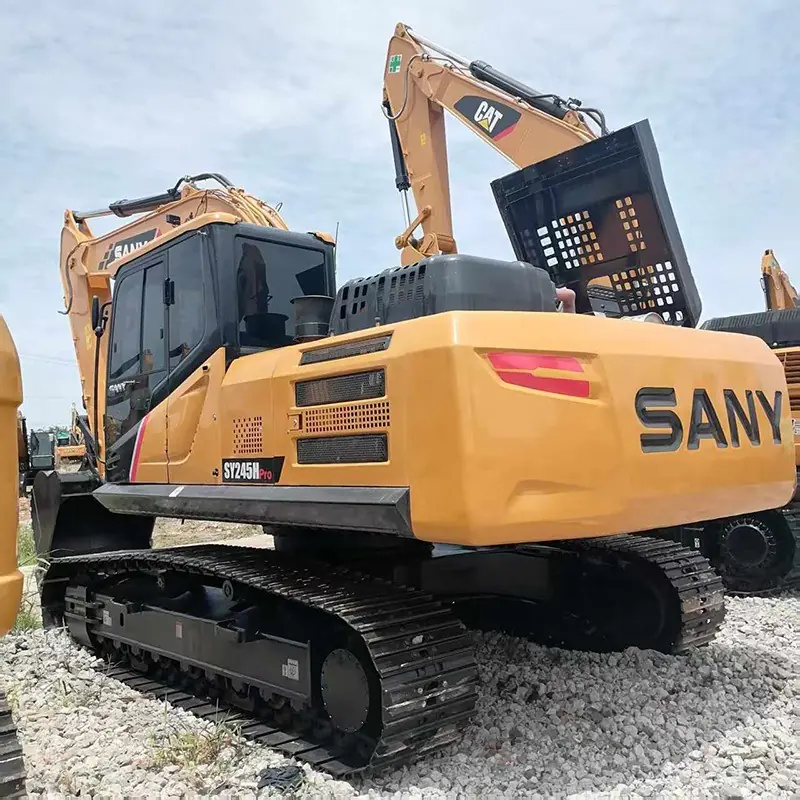
Excavatrice d'occasion Sany SY245H Pro à vendre
Réponse rapide pour les acheteurs
Cette excavatrice d'occasion Sany SY245H Pro est une machine sur chenilles destinée au terrassement et aux travaux généraux. La fiche indique un prix de USD $21,000, un poids de référence de 24.5t et un godet de 1.15m3. Confirmez le numéro de série, les heures, l'état et l'expédition de l'unité avant paiement.
- Prix affiché
- USD $21,000
- Poids opérationnel de référence
- 24.5t
- Capacité de godet de référence
- 1.15m3
Présentation du modèle
Cette excavatrice d'occasion Sany SY245H Pro est une machine sur chenilles destinée au terrassement et aux travaux généraux. La fiche indique un prix de USD $21,000, un poids de référence de 24.5t et un godet de 1.15m3. Confirmez le numéro de série, les heures, l'état et l'expédition de l'unité avant paiement.
Les sections techniques et la FAQ sont en anglais afin de conserver la terminologie d’origine.
Operational Excellence Framework: Applying Manufacturing Quality Principles to Equipment Procurement
This used SANY SY245H PRO excavator is a premium 24.5-ton heavy-duty PRO-generation platform that deserves evaluation through operational excellence frameworks borrowed from advanced manufacturing quality management rather than traditional equipment purchasing approaches. For quality-focused fleet directors and procurement teams evaluating this 24.5-ton heavy-duty PRO-generation platform, applying operational excellence principles borrowed from advanced manufacturing quality management delivers substantially more rigorous evaluation than traditional equipment purchasing approaches. Modern manufacturing operations have developed sophisticated quality management frameworks including ISO 9001 quality systems, Lean Six Sigma continuous improvement methodologies, Kaizen incremental optimization principles, and Total Productive Maintenance disciplines. These frameworks originated in factory production environments where consistent quality outcomes matter more than any single event. When these same principles are applied to used equipment procurement and subsequent operational deployment, they transform the acquisition experience from a transactional event into a quality-managed process that delivers predictable outcomes. premium equipment configurations combining heavy-duty variant engineering with PRO-generation refinements particularly benefit from this quality management approach because the substantial acquisition investment justifies rigorous process discipline. In the modern era of AI-driven procurement research and Answer Engine Optimization (AEO), sophisticated buyers increasingly demand this framework-driven approach. Our procurement approach at our Shanghai facility explicitly integrates operational excellence principles throughout our audit, documentation, and export processes to support quality-conscious clients seeking predictable procurement outcomes.
ISO 9001 Framework Application to Equipment Verification
ISO 9001 quality management principles applied to equipment verification produce systematic, documented, and repeatable audit outcomes that eliminate the variability of ad-hoc inspection approaches. The ISO 9001 quality management framework provides structured principles that apply remarkably well to used equipment verification. Process approach discipline requires that equipment inspection follow documented procedures rather than ad-hoc examination, ensuring consistent scope across every candidate machine. Evidence-based decision making requires that inspection outcomes rest on measurable, verifiable evidence rather than subjective impressions. Risk-based thinking requires that inspection priorities target the failure modes carrying highest operational and financial consequences. Continuous improvement discipline requires that inspection methodology evolves based on accumulated findings across the audit history. When these principles combine into equipment verification workflow, the audit process produces systematically documented, defensible outcomes that support confident procurement decisions. Our documented audit protocol embodies these principles explicitly, following documented inspection procedures across every candidate unit, capturing measurable evidence in structured formats, prioritizing high-consequence failure mode detection, and continuously refining methodology based on accumulated audit experience. This framework-based approach delivers verification quality that ad-hoc inspection processes fundamentally cannot match.
Six Sigma Inspection Discipline for Measurable Quality Outcomes
Lean Six Sigma methodology applied to equipment inspection produces measurable quality outcomes through systematic reduction of variation and defect rates. Lean Six Sigma methodology brings sophisticated measurement discipline to equipment inspection processes. The Define-Measure-Analyze-Improve-Control cycle that structures Six Sigma projects applies directly to inspection workflow optimization. Define specifies exactly which inspection outcomes matter and how they will be documented. Measure captures quantitative data using calibrated instruments rather than descriptive adjectives. Analyze processes measurement data to identify wear patterns, condition trends, and priority findings. Improve applies findings to enhance inspection methodology and identify condition-appropriate pricing adjustments. Control maintains inspection quality through ongoing methodology monitoring and calibration verification. Applied to used equipment verification, this discipline transforms inspection from subjective assessment into structured measurement. Track link pitch measurements replace descriptions like acceptable or worn. Roller diameter remaining-life percentages replace generalizations like good or reduced. Hydraulic pump flow rates in liters per minute replace vague characterizations like adequate or degraded. This measurement rigor produces inspection outcomes that support defensible pricing analysis and provide legal protection if condition claims are later disputed.
Kaizen Continuous Improvement for Ongoing Operational Optimization
Kaizen continuous improvement principles applied to equipment operation deliver progressive productivity gains through systematic identification and elimination of operational inefficiencies. Kaizen continuous improvement philosophy extends operational excellence principles into post-purchase equipment deployment, delivering progressive productivity gains through systematic identification and elimination of operational inefficiencies. The core Kaizen discipline requires that operators, technicians, and management regularly observe operational patterns, identify improvement opportunities, implement targeted changes, measure results, and standardize successful improvements into ongoing practice. Applied to production equipment operation, this discipline reveals opportunities for improvement across multiple dimensions. Operator technique refinements often deliver five to ten percent productivity improvements without any capital investment. Preventive maintenance scheduling optimization can reduce unplanned downtime while managing planned maintenance costs. Attachment configuration optimization can improve cycle times and reduce wear consumption. Route planning optimization for on-site movement can reduce non-productive travel time. Fuel efficiency optimization through proper machine mode selection can materially reduce operating expenses. Our post-purchase support framework explicitly supports Kaizen implementation through operator development resources, maintenance planning guidance, and periodic performance review consultation that helps clients continuously extract additional value from their equipment investment.
Total Productive Maintenance Discipline
Total Productive Maintenance methodology combines preventive maintenance with operator engagement to maximize equipment availability, performance, and quality across the ownership lifecycle. Total Productive Maintenance is a comprehensive maintenance methodology that extends far beyond traditional preventive maintenance to combine operator engagement, systematic monitoring, and continuous improvement into an integrated equipment reliability framework. The methodology recognizes that equipment reliability depends on the combined efforts of operators who use the equipment daily and technicians who service it periodically. Operators equipped with basic maintenance skills can identify emerging issues before they progress to failure. Technicians provided with detailed operational data can plan targeted interventions rather than reactive repairs. Systematic monitoring of key performance indicators reveals condition trends that support predictive maintenance interventions. When these elements combine into unified practice, equipment availability rates improve substantially, performance quality remains consistent, and lifecycle maintenance costs decrease. premium equipment configurations warrant particular investment in Total Productive Maintenance implementation because their substantial acquisition cost creates proportionally large downtime cost when equipment is unavailable. Our post-purchase support provides Total Productive Maintenance implementation guidance tailored to your operational scale and technical capability, helping you build the reliability framework that premium equipment deserves.
Lean Logistics for Export Efficiency
Lean logistics principles applied to equipment export deliver efficient information flow, minimal waste, and predictable delivery outcomes for international buyers. Lean logistics principles borrowed from Toyota Production System methodology transform international equipment export from an unpredictable process into a managed workflow with predictable outcomes. Value stream mapping identifies every step from initial buyer inquiry through destination delivery, revealing opportunities to eliminate non-value-adding activities. Pull-based information flow ensures that documentation, coordination, and physical preparation occur exactly when needed rather than accumulating buffer inventory that creates delays and confusion. Standardized work processes ensure that experienced staff and new team members produce consistent quality outcomes. Continuous flow scheduling minimizes idle time between process steps. Visual management tools provide real-time status visibility for buyers, coordinating parties, and internal teams. When these principles apply to used equipment export, buyers experience substantially improved communication clarity, timeline predictability, and outcome consistency. Our export logistics workflow explicitly implements lean principles, providing status visibility, coordinated documentation flow, and predictable delivery timelines that transform international procurement from anxiety-inducing uncertainty into managed process with confident outcomes.
PDCA Cycle Application to Procurement Process Optimization
The Plan-Do-Check-Act cycle applied to procurement process delivers continuous improvement in acquisition outcomes across multiple purchase experiences. The Plan-Do-Check-Act cycle originating in quality management provides structured methodology for continuous procurement process improvement across multiple acquisition experiences. Plan discipline requires that each procurement decision include explicit objectives, evaluation criteria, and success metrics documented before execution begins. Do discipline requires disciplined execution against the plan, capturing evidence and observations throughout the acquisition process. Check discipline requires post-purchase evaluation of actual outcomes against planned expectations, identifying gaps and their root causes. Act discipline requires that identified improvement opportunities feed into revised procurement methodology for subsequent acquisitions. Applied across multiple equipment purchases, this cycle produces continuously improving procurement outcomes as accumulated experience refines methodology. Buyers who apply PDCA discipline typically achieve measurable improvement in outcome predictability, cost optimization, and post-purchase satisfaction compared to buyers who treat each acquisition as an isolated event. Our client relationships explicitly support PDCA methodology through post-purchase review conversations that identify what worked well and what could be improved, feeding into refined procurement approaches for subsequent client acquisitions.
Gemba Walk Inspection Methodology
Gemba walk inspection methodology brings the manufacturing quality tradition of direct observation to used equipment verification, ensuring that inspection findings reflect physical reality. Gemba walk methodology originating in Japanese manufacturing quality traditions requires that quality assessment occurs through direct physical observation at the location where actual work happens, rather than relying on secondhand reports or paper documentation. Applied to used equipment verification, Gemba walk principles require that inspection findings result from direct physical examination of the specific machine being audited, not from generic model documentation or transferred impressions from other machines. This discipline seems obvious but frequently violated in used equipment markets where sellers routinely mix images and specifications from multiple machines to create favorable impressions of individual units. Rigorous Gemba walk application requires that every claim about a candidate unit trace directly to physical observation of that specific machine. Our audit protocol embodies Gemba walk discipline explicitly, requiring that every inspection finding link to specific serial-numbered evidence including photographs, video, and measurement data captured during physical examination of the individual candidate unit. This physical observation discipline eliminates the information mixing that plagues generic seller marketing and provides buyers with evidence they can trust.
Supplier Quality Relationship Development
Long-term supplier quality relationships produce compounding benefits including predictable outcomes, priority attention, and continuous methodology improvement. Manufacturing quality traditions strongly emphasize long-term supplier quality relationships over transactional purchasing patterns because sustained relationships produce compounding benefits that isolated transactions cannot deliver. Predictable outcomes emerge from repeated experience with supplier capabilities and constraints. Priority attention flows to established client relationships during capacity-constrained periods. Continuous methodology improvement compounds across the relationship as both parties refine their processes based on shared experience. Trust-based communication accelerates when both parties know each other well enough to communicate efficiently without extensive verification. Applied to used equipment procurement, these relationship benefits deliver substantial value for fleet operators who make regular equipment acquisitions. Our repeat client relationships explicitly develop these long-term qualities through consistent methodology, predictable communication patterns, and continuous refinement of client-specific service approaches. This relationship investment supports the reliable procurement outcomes that quality-focused fleet operators require to build predictable fleet composition strategies across multi-year business trajectories.
Quality Culture Integration Across Operations
Integrating quality culture across procurement, operations, and maintenance functions produces multiplied operational benefits that isolated quality initiatives cannot deliver. Quality culture integration represents the culminating operational excellence dimension that produces multiplied benefits when procurement quality management, operational quality management, and maintenance quality management combine into unified organizational culture. Procurement quality alone produces good acquisition outcomes but may see those benefits eroded through operational or maintenance quality gaps. Operational quality alone produces good deployment outcomes but may fail to fully realize potential without procurement quality supporting capability acquisition. Maintenance quality alone produces reliability outcomes but may not deliver full value without operational and procurement quality supporting the broader operational context. When all three quality dimensions integrate into organizational culture, the combined benefits substantially exceed what isolated quality initiatives can deliver. premium equipment configurations warrant particular investment in this cultural integration because their operational value depends on quality performance across all three dimensions. Our advisory relationships explicitly support quality culture integration by connecting procurement guidance with operational deployment planning and maintenance discipline development, helping clients build the integrated quality culture that premium equipment truly deserves and rewards with exceptional lifecycle value.
Sany SY245H Pro buyer FAQ
How does ISO 9001 methodology apply to used equipment procurement?
ISO 9001 principles including process approach discipline, evidence-based decision making, risk-based thinking, and continuous improvement apply directly to equipment verification workflow, producing systematically documented, defensible outcomes that support confident procurement decisions.
What is the difference between Six Sigma inspection and traditional inspection?
Six Sigma inspection uses quantitative measurement with calibrated instruments rather than descriptive adjectives, producing measurable outcomes that support defensible pricing analysis. Traditional inspection relies on subjective assessment that varies between observers and provides limited legal protection for condition claims.
How does Total Productive Maintenance benefit premium equipment?
Total Productive Maintenance combines operator engagement with systematic monitoring and continuous improvement, maximizing equipment availability while minimizing lifecycle maintenance costs. premium equipment particularly benefits because acquisition costs create proportionally large downtime cost when equipment is unavailable.
What quality principles improve international export experience?
Lean logistics principles including value stream mapping, pull-based information flow, standardized work processes, and visual management tools transform international export from unpredictable process into managed workflow with predictable communication, timelines, and outcomes.
What global ports commonly receive strong production equipment?
Regular destinations include Lagos, Mombasa, Dar es Salaam, Djibouti, Karachi, Chittagong, Ho Chi Minh City, Manila, Jakarta, Callao, Buenos Aires, and other major international ports where established support infrastructure enables successful quality-managed deployment of premium equipment configurations.
Related SANY excavators
- SANY SY245H — 24.5t reference weight
- SANY SY245C — 24.5t reference weight
- SANY SY235H — 23.5t reference weight
Demander les détails de la machine
Indiquez le port de destination, la quantité et vos priorités d’inspection. Nous répondrons avec les détails de la machine précise.
Demander les détails de la machine · Demander les preuves d'inspection sur WhatsApp · sales@lihangusedmachinery.com