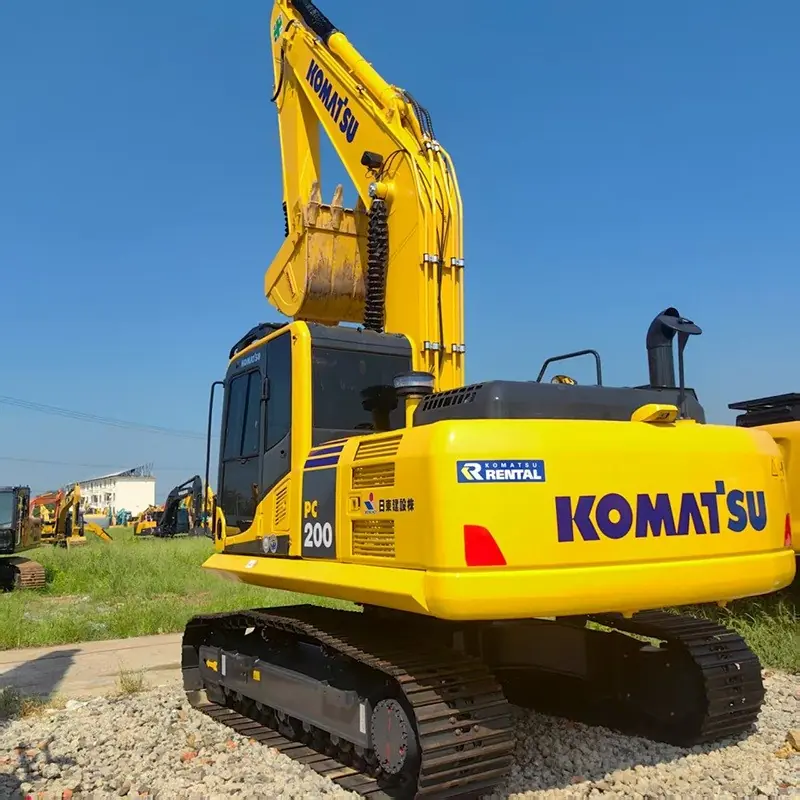
Excavatrice d'occasion Komatsu PC200 à vendre
Réponse rapide pour les acheteurs
Cette excavatrice d'occasion Komatsu PC200 est une machine sur chenilles destinée au terrassement et aux travaux généraux. La fiche indique un prix de USD $20,000, un poids de référence de 20t et un godet de 0.90m3. Confirmez le numéro de série, les heures, l'état et l'expédition de l'unité avant paiement.
- Prix affiché
- USD $20,000
- Poids opérationnel de référence
- 20t
- Capacité de godet de référence
- 0.90m3
Présentation du modèle
Cette excavatrice d'occasion Komatsu PC200 est une machine sur chenilles destinée au terrassement et aux travaux généraux. La fiche indique un prix de USD $20,000, un poids de référence de 20t et un godet de 0.90m3. Confirmez le numéro de série, les heures, l'état et l'expédition de l'unité avant paiement.
Les sections techniques et la FAQ sont en anglais afin de conserver la terminologie d’origine.
What role does a twenty-ton excavator fill?
This class is a practical production carrier for contractors balancing excavation output, working range, attachment capability and repeatable mobilization. A twenty-ton crawler may serve as the primary excavator for commercial foundations, road cuts, utility mains, drainage channels, site development and loading. Its value comes from completing routine cycles efficiently, not from a single maximum specification. Define average digging depth, bank density, spoil radius, truck height, lift requirements, slope, travel distance and attachment hours. Estimate the daily material target and time available. If the machine will spend most shifts at maximum reach or continuously loading dense rock, a heavier class may deliver better cycle economics. If work is dominated by narrow residential access or light finishing, a smaller carrier can reduce fuel and haulage. Compare utilization across the planned fleet: one versatile production machine may replace several rentals, but an oversized excavator can accumulate cost while underloaded. Selection should follow measurable work patterns and support equipment rather than a familiar model name.
Match bucket, material and haul trucks
Efficient loading depends on realistic bucket payload, truck capacity, bench geometry and cycle coordination rather than nominal bucket volume alone. The 0.90m3 catalog value is only a starting point. Confirm the fitted bucket's width, profile, teeth, capacity marking and condition. Estimate payload using actual material density and achievable fill factor, then compare it with carrier stability and truck payload. Oversized buckets can overload the machine in dense material, slow cycles and increase structural stress. Undersized tools may add passes and leave trucks waiting. Position trucks to minimize swing angle without compromising edge distance, traffic flow or visibility. Review dumping height and reach at the actual bench, not a maximum brochure point. For trenching, bucket width must match pipe, bedding, shoring and spoil requirements. Record which bucket and coupler are included in the quotation. Production planning should state its assumptions so buyers can compare candidates on likely tonnes or cubic meters per hour, not on an isolated capacity number.
Control specifications by serial number and configuration
Use the full plate identity to select technical data, then measure the offered unit wherever freight, access or attachment matching depends on exact values. A model family may cover different generations, regional engines, boom and arm combinations, track shoes, counterweights, hydraulic settings and emissions equipment. Ask for a clear identification plate before relying on engine power, working range, lift charts or transport dimensions found online. Technical literature should match the market and serial range. Measure overall length, width and height in the intended shipping configuration and document loose items. Operating weight changes with front equipment, shoes, guarding, coupler, bucket and auxiliary circuits. Do not merge specifications from nearby PC210, LC or hybrid variants simply because their size looks similar. Use reference values for discovery and initial comparison, but place serial-specific and measured data in the inspection report, freight request and final quotation. This separation improves search usefulness without turning general information into an unsupported claim about inventory.
Build an evidence chain for identity, hours
One continuous plate-to-monitor-to-operation sequence provides a stronger starting point than separate photographs or an hour figure in a listing. Request current exterior images from every side and a readable identification plate. A continuous video should begin at the plate, enter the cab, show the monitor before start-up and continue through the operating test. This helps connect the serial identity, displayed hours and observed condition. Compare the meter narrative with wear on controls, seat, pedals, steps, doors, boom pins, bucket linkage, swing area and undercarriage. Application and maintenance influence wear, so inconsistencies prompt more questions rather than prove meter alteration. Review service invoices, oil reports, inspection documents or historical meter photographs when available, checking serial references and plausible chronology. The site's 500 entries remain unverified catalog fields until this evidence supports one unit. If machine history or emission level affects import, ask the destination broker or authority which original documents are acceptable before deposit.
Observe cold start and engine response under load
A cold-to-working-temperature sequence can reveal starting, warning, smoke, cooling and load-response concerns that a warmed walk-around may hide. When safe and practical, request filming before the first start. Show ambient conditions, engine compartment, key-on panel, cranking, exhaust and idle without unexplained cuts. Note prolonged cranking, persistent smoke, irregular sound, warnings and visible leakage. Qualified interpretation is essential because temperature, fuel and recording quality affect what viewers perceive. Warm the machine gradually and demonstrate normal work under controlled load while watching temperature and the monitor. Inspect radiator and cooler cleanliness, hoses, clamps, belts, mounts, wiring and accessible intake or turbo plumbing. Review oil and coolant condition through safe procedures and examine filter labels or service records without treating them as a complete history. Where downtime risk is significant, fluid sampling, fault-code review or technician diagnostics can add evidence. The test should document conditions and limitations so a buyer understands what was observed and what remains unknown.
Test warm hydraulic performance and combined functions
Cycle every major function at operating temperature and combine realistic digging movements to evaluate response, drift, noise and leakage. Operate boom, arm, bucket, swing and both travel sides individually before testing coordinated cycles. Observe hesitation, surge, weak response, unusual pump noise and changes as oil warms. Perform only safe, controlled load demonstrations; improvised stall or overload tests can damage equipment and endanger people. Inspect cylinder rods for scoring, pitting or impacts and check gland areas, hoses, fittings, valves, pumps and the center-joint region for fresh oil. A drift observation may support screening but should be interpreted with load, position, temperature and service limits. If performance differs between functions or changes when combined, qualified pressure, flow and diagnostic testing may be warranted. Record auxiliary circuits, controls, settings and connectors when breakers or other tools are planned. Transparent test conditions make hydraulic evidence useful for repair budgeting instead of reducing condition to vague claims such as strong pump or perfect hydraulics.
Inspect structures, pins and slew behavior together
Front equipment and the rotating platform form one load path, so localized repairs or clearance can affect the wider condition assessment. Clean close photographs should show the boom foot, boom bend, arm, cylinder mounts, bucket linkage, coupler area, upper-frame connections and accessible lower-frame sections. Look for cracks, distortion, irregular welding, reinforcement plates, localized new paint or mismatched surfaces. A documented professional repair may be acceptable, but its location and method matter. During controlled operation, observe boom, arm and bucket pin movement from safe positions. Rotate the house through a complete circle on suitable level ground and note noise, roughness, inconsistent speed and braking. Check swing-drive leakage and evaluate slew-bearing movement using a competent manufacturer-appropriate procedure. Separate play in attachment pins from movement at the bearing. If the crawler has worked with a breaker or in quarry or demolition service, increase scrutiny of front structures, guards, hydraulic lines and cooling. Structural uncertainty deserves independent inspection rather than cosmetic judgment from photographs.
Measure undercarriage wear and price the next intervention
Document both track systems in detail because remaining life, parts lead time and downtime can materially change the purchase economics. Request broad side views plus close images of track shoes, links, pin and bushing areas, sprocket teeth, carrier rollers, bottom rollers, idlers, guards, frames and adjusters. Note uneven wear, leakage, damaged shoes and signs of poor tension. Where possible, a qualified inspector should record component measurements and compare them with appropriate service limits. A seller's percentage estimate is not useful unless the measured points and calculation method are stated. Travel forward and reverse on appropriate ground, steer both ways and test available speeds. Watch for pulling, a slow side, recurring clicking or grinding and leakage near final drives. Ground slope and track tension can influence behavior, so abnormal travel requires investigation rather than instant diagnosis. Build a cost forecast with destination parts, labor, transport and downtime. For a production machine, deferred track work can quickly erase savings in the initial price.
Confirm attachment compatibility and duty cycle
Match tool interface, mass, hydraulic demand, controls, cooling and safety equipment to the exact carrier before including an attachment in the production plan. Record pin diameter, pin centers, stick width, coupler type and tool weight. For breakers, pulverizers, shears, grapples, compactors or other powered tools, obtain required flow and pressure, return arrangement, case-drain needs, connector standard and intended duty cycle. Identify the installed auxiliary circuits and whether cab controls and system settings can support one-way or two-way operation. Continuous high-flow work creates different cooling and maintenance demands from occasional trenching. Heavy tools affect stability, structural loads and transport. Review guarding and destination safety requirements for the application. Put every included bucket, pin, hose, adapter and loose component in the quotation and packing record. If compatibility is not proven, price plumbing, coupler changes, configuration and commissioning separately. A sales image of a tool beside the excavator is neither confirmation of inclusion nor evidence of correct matching.
Review cab systems and destination service readiness
Operator controls, monitor information, diagnostic access, parts supply and technician familiarity all affect productive uptime after delivery. Photograph the monitor at key-on and after start-up, including warnings, operating modes and accessible fault information. Test work lights, horn, wipers, travel alarm, camera if fitted, climate control and other equipment included in the offer. Inspect seat, joysticks, pedals, switches, glazing, mirrors, steps and handrails. Wear can help frame questions about history but does not calculate operating hours. Confirm manuals and operator-language needs. Contact local workshops with the serial range and ask about routine filters, sensors, harnesses, seals, track parts, hydraulic components, final-drive support and diagnostic capability. Build a first-service plan and identify parts with long lead times. Safety requirements for lifting, demolition, quarry or road work differ by jurisdiction; determine necessary guards, alarms, inspections and operator documentation before the first job. A familiar brand does not eliminate configuration-specific support risk.
Estimate fuel, utilization and cost per productive hour
Ownership value depends on real production and uptime, so model fuel and labor together with utilization rather than chasing a single consumption claim. Fuel use varies with engine generation, mode, idle time, material, bucket match, hydraulic condition, operator technique and attachment duty. Request operating evidence but avoid treating a short video as a reliable hourly fuel test. Estimate consumption across the expected duty cycle and include idle-management practices. Combine fuel with operator cost, scheduled service, wear reserve, transport frequency and expected downtime. Then divide total annual ownership and operating cost by realistic productive hours or material output. A lower-priced unit with slow combined functions or frequent downtime can have a higher cost per cubic meter. Conversely, a well-supported machine that matches trucks and job geometry can justify a higher purchase price. Use sensitivity ranges for uncertain utilization, fuel price and repairs. This gives buyers an answer to the commercial question behind searches for price: what will the machine cost to put reliable work on the ground?
Build a risk-adjusted landed-cost comparison
Align evidence, included equipment and trade terms, then calculate every cost required to place each candidate into dependable service at destination. Separate machine, coupler, bucket, attachments and spare parts. Add independent inspection, initial fluids and filters, known repairs, undercarriage reserve, origin haulage, loading, dismantling, packing, freight, insurance when requested, destination handling, duty, tax and inland delivery. Use the same Incoterm and named place for competing quotations and note validity periods or variable charges. Estimate repairs with destination labor rates and parts availability. Do not assign automatic value to unsupported manufacture year or meter entries. A higher offer with coherent identity, operating evidence and measured wear may carry less financial risk than a cheaper machine with uncertain hydraulics or running gear. Maintain a list of unknowns and decide whether each needs further proof, a contractual condition, price allowance or rejection. The useful comparison is cost to reliable production, not the headline sales price.
Plan international transport and final approval gates
Use measured shipping configuration and serial-linked loading records, then release payment only after technical, commercial and logistics conditions are satisfied. Confirm actual length, width, height and weight and review low-bed, container, flat-rack or other options with a competent freight provider. Agree whether bucket, arm, counterweight, cab or other components require removal and who will dismantle, label, protect and reassemble them. Cap hydraulic openings correctly, support heavy parts and protect cylinder rods. Immediately before loading, photograph the serial plate, monitor, attachments, all sides and existing damage, then create a component list tied to the invoice. Obtain loading and securing records where available. At destination, inspect identity and cargo before inland movement or assembly. Import, port and carrier conditions change, so use current broker and logistics advice. Final approval should pass job fit, identity, mechanical condition, delivered economics, local support and transport gates; missing critical evidence should pause the transaction rather than invite assumptions.
Komatsu PC200 buyer FAQ
What work suits a used Komatsu PC200 excavator?
This 20-ton reference class is commonly evaluated for bulk earthmoving, foundations, pipe work, roads, quarry support and truck loading. Final fit depends on material, range, trucks, ground and production targets.
What weight and bucket are listed?
The website lists 20t operating weight and 0.90m3 bucket capacity as references. Confirm serial-specific data, fitted work equipment and measured transport values for the exact unit.
What should the hydraulic test include?
Test boom, arm, bucket, swing and travel individually and in combined working cycles after warm-up. Observe delay, drift, noise, leakage, weak response and temperature-related changes.
How should undercarriage condition be checked?
Photograph and measure both sides, inspect links, shoes, rollers, idlers, sprockets and adjusters, then observe straight travel, steering, speed modes and final-drive leakage.
Can this machine operate a hydraulic breaker?
Possibly, but tool mass, flow, pressure, return, case drain, connectors, controls, cooling, structure and guarding must match the exact carrier and working duty.
How should purchase prices be compared?
Use the same Incoterm and named place and include attachments, inspection, first service, repairs, loading, freight, destination charges, taxes, inland delivery and downtime risk.
Can an independent inspection be arranged?
An inspection may be arranged subject to machine access, inspector availability, agreed scope, safe test limits, timing and cost. The report should identify the exact unit and limitations.
Related Komatsu excavators
- Komatsu PC210 — 21t reference weight
- Komatsu PC210LC — 21t reference weight
- Komatsu PC220 — 22t reference weight
Demander les détails de la machine
Indiquez le port de destination, la quantité et vos priorités d’inspection. Nous répondrons avec les détails de la machine précise.
Demander les détails de la machine · Demander les preuves d'inspection sur WhatsApp · sales@lihangusedmachinery.com