Excavatrice d'occasion Komatsu PC110 à vendre
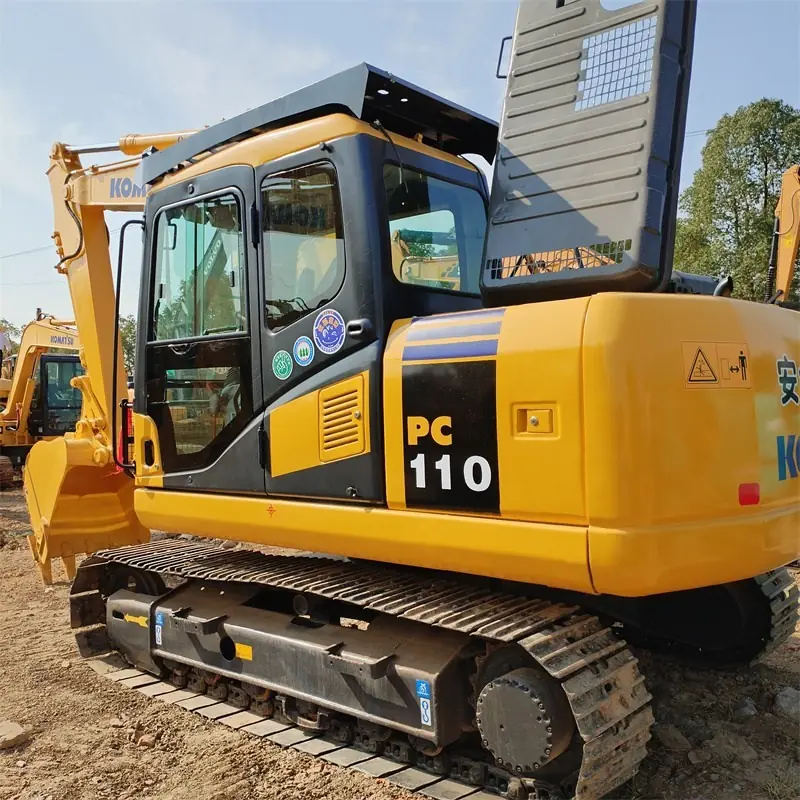
Réponse rapide pour les acheteurs
Cette excavatrice d'occasion Komatsu PC110 est une machine sur chenilles destinée au terrassement et aux travaux généraux. La fiche indique un prix de USD $13,000, un poids de référence de 11t et un godet de 0.45m3. Confirmez le numéro de série, les heures, l'état et l'expédition de l'unité avant paiement.
- Prix affiché
- USD $13,000
- Poids opérationnel de référence
- 11t
- Capacité de godet de référence
- 0.45m3
Présentation du modèle
Cette excavatrice d'occasion Komatsu PC110 est une machine sur chenilles destinée au terrassement et aux travaux généraux. La fiche indique un prix de USD $13,000, un poids de référence de 11t et un godet de 0.45m3. Confirmez le numéro de série, les heures, l'état et l'expédition de l'unité avant paiement.
Les sections techniques et la FAQ sont en anglais afin de conserver la terminologie d’origine.
Why contractors consider an eleven-ton all-rounder
This class can cover varied excavation and support work without the transport and access demands of a larger production crawler. A contractor may need one excavator to open utility trenches, prepare small commercial foundations, shape drainage, load site trucks and complete final grading. An eleven-ton machine can provide more working range and stability than a compact model while remaining suitable for projects where a 20-ton excavator would be difficult to mobilize or oversized. The trade-off is that no general-purpose machine is ideal for every task. Define average trench depth, material density, truck size, lift radius, attachment use, site access and annual productive hours. Compare the cost of owning one versatile carrier against using smaller and larger machines for specialized work. The right choice handles routine cycles comfortably and spends little time operating at maximum reach, hydraulic demand or transport limit.
How to use weight and bucket references responsibly
Use 11t and 0.45m3 to classify the machine, then replace those references with serial-specific and measured information for the offered unit. Operating mass can change with track shoes, cab equipment, blade, counterweight, boom, arm, coupler, bucket, auxiliary lines and guarding. Bucket capacity also needs context from width, profile, material density and fill factor. Request current photographs, markings or measurements of the fitted work tool and identify what is included in the quotation. Ask for overall transport length, width and height in the proposed loading position. When digging depth, reach, engine output or hydraulic data matters, confirm that the technical source matches the correct generation, market and serial range. Do not combine specifications from a nearby PC model. Reference data supports search and shortlisting; actual machine data controls job planning, stability, freight and valuation.
Foundation, utility and roadwork suitability
The machine is commonly evaluated for medium trenching, small commercial foundations, drainage, road repairs and site preparation where access still influences fleet choice. Foundation work requires enough depth and spoil reach without creating excessive haulage cost. Utility projects combine trench geometry, existing services, pipe handling and backfill. Roadwork adds traffic control, slope shaping and frequent repositioning. Convert these needs into measurable criteria before comparing listings. Consider required reach, material, ground bearing, bucket match, attachment flow, truck access and the proportion of time spent lifting or grading. If work is dominated by tight urban clearance, compare a compact-swing machine. If high-volume loading dominates, a heavier class may reduce cycles. Object handling must use the correct serial-specific load chart, approved lifting point and local procedure. Nominal operating weight alone cannot establish safe capacity.
Verify serial identity, hour-meter context
500 catalog entries are unverified until one evidence sequence connects the plate, monitor, records and operating machine. Request a continuous video that begins with the full exterior and identification plate, moves into the cab to show the monitor before start-up and continues through operation. Compare displayed hours with wear on the seat, controls, pedals, access steps, boom and bucket pins, slew area and undercarriage. Wear cannot prove hours, but inconsistencies should guide further questions. Review service invoices or inspection reports when available and ensure serial identity and meter progression are coherent. If machine history affects import eligibility, confirm accepted documents with the destination broker or authority. Put the verified serial number and configuration in the quotation. Separate evidence, seller statements and unknowns so precise catalog fields do not become accidental claims of confirmed history.
Cold-start and working-temperature engine review
Observe the engine from a genuine cold start through a sustained hydraulic cycle to identify starting, smoke, response and cooling concerns. Show monitor warnings, cranking duration, initial exhaust, idle stability and gradual acceleration. Begin with light movements and continue until the engine and hydraulic system reach normal working temperature. Watch for persistent smoke, unstable speed, warning lamps, loss of response or temperature changes. Inspect oil and coolant where safe, leakage, hoses, wiring, belts, air intake, radiator and cooler cleanliness. Installed engine and emissions equipment may vary by generation and region, so use the data plate and correct technical literature instead of generic marketplace horsepower. Video supports remote screening but does not replace fault-code review, fluid analysis or measurements by qualified personnel when symptoms or purchase value justify deeper diagnosis.
Warm hydraulic pump and control testing
Test individual and combined functions after warm-up because pump, valve and control weaknesses may appear only under simultaneous demand. Demonstrate both travel sides, swing, boom raise and lower, arm in and out, bucket curl and any blade or auxiliary function. Then combine movements that resemble trenching and loading. Observe delay, surge, chatter, drift, unusual pump noise, cylinder behavior and performance changes with temperature. Examine rods, seals, hose crimps, valve areas, main lines and center joint for leakage or damage. Show available working modes as fitted rather than describing functions that may belong to another generation. Pressure and flow tests should be completed by trained technicians using correct service procedures. A brief clip proves only that the machine moves; a useful condition record shows how it works warm and under realistic demand.
Swing bearing, travel motors and final-drive checks
Movement and noise through swing and travel should be assessed separately because repairs in either system can materially change delivered value. Observe swing start, stop, braking and operation in both directions. Isolate movement in the slew area from play in boom or attachment pins. During travel, show straight-line performance, steering and available speed ranges on suitable ground. Note if one side is slower, pulls, becomes noisy or leaks. Inspect final-drive housings and ask about oil-service or replacement history. Temperature comparison after operation may add context when performed safely. A machine that digs strongly but travels poorly can still create major site and transport problems. Where movement is uncertain, a qualified inspector should measure play, review oil or perform approved diagnostics. Avoid converting one successful demonstration into a broad claim that swing bearing and travel motors are verified.
Undercarriage measurements and structural evidence
Inspect both track systems and structural load paths through close images, measurements and controlled loading rather than cosmetic appearance. Photograph shoes or rubber tracks, links, pins and bushings, sprockets, idlers, rollers, guards and track frames on both sides. Any remaining-life percentage should state measurement points, reference limits and method. Check side-to-side differences that may reflect slopes, repeated turning or partial replacement. Examine boom foot, cylinder mounts, arm, bucket linkage, upper frame and carbody for cracks, distortion, plates and welds. Load pin joints gently so movement can be observed. A documented repair may be serviceable, while an unexplained weld in a highly stressed area can justify specialist review. Fresh paint neither proves concealment nor establishes condition. The buyer needs enough evidence to estimate repair timing and cost before accepting the asking price.
Coupler and hydraulic attachment compatibility
Match each bucket, breaker, auger or compactor to the actual mounting system, hydraulic circuit, carrier limits and intended duty cycle. Identify the fitted coupler or pin geometry and photograph locking components, hoses and controls. Separate coupler movement from bucket-linkage wear. For hydraulic tools, record flow and pressure from reliable serial-specific information, circuit direction, return arrangement, case-drain requirement and connectors. Compare attachment mass and operating requirements with the carrier and ground conditions. Hoses visible on the boom do not prove compatibility. Breaker use also affects cooling demand and structural inspection priorities. Include each supplied work tool in the quotation with current condition evidence. Pressure or flow testing belongs to trained personnel. Correct matching can make an eleven-ton carrier highly versatile; incorrect matching can create slow cycles, overheating, unstable operation or premature wear.
Operator station and destination serviceability
Controls, access equipment, local technicians and parts lead times all affect the machine's practical uptime after delivery. Check the seat and restraint, joysticks, pedals, monitor, warning lamps, horn, lights, mirrors, glass, wipers, climate system, steps and handrails. Ask about current fault codes and compare control wear with the hour narrative. Safety requirements for lifting, roadwork, demolition or hydraulic tools vary by destination; identify required guards, alarms, inspections and operator documents before the first project. Contact local workshops and suppliers with the serial range to ask about routine filters, seals, electrical support, track parts and higher-cost components. A familiar brand name is helpful only when the exact configuration can be diagnosed and supported locally. Downtime and parts lead time belong in the buying model alongside purchase price.
Compare total delivered cost, not listing price
Align manufacture-year information, included equipment and Incoterm, then calculate every cost required before reliable operation at destination. Separate machine, bucket, coupler and additional attachments. Add independent inspection, initial service, known repairs, undercarriage allowance, origin haulage, loading, packing, freight, insurance when requested, destination handling, duties and inland delivery. State the Incoterm and named place for each quote. Do not assign automatic value to the manufacture year or meter figure. Estimate repairs using destination parts and labor. A higher-priced machine with measured wear and coherent records may be lower risk than a cheaper listing with unknown hydraulics or travel condition. Record unresolved items and decide whether they need evidence, inspection, price allowance or rejection. The relevant commercial number is risk-adjusted cost to productive service.
Transport plan and final approval gates
Use measured shipping configuration and serial-linked loading records, then approve only after job fit, condition, economics and local support align. Confirm actual length, width, height and weight, carrier limits and whether the bucket or another component will be removed. Agree who dismantles, labels pins and loose parts, protects rods and caps hydraulic ports. Photograph the serial plate, monitor, attachments and existing damage immediately before loading and create a component list. At destination, inspect cargo before movement and verify identity and included equipment. Route, port and import conditions change, so obtain current freight and broker advice. Final approval should pass the project-fit, identity, mechanical-condition, delivered-cost and service-support gates. A missing critical video, measurement or commercial term should pause the decision rather than be replaced with assumptions based on model reputation.
Komatsu PC110 buyer FAQ
What work suits a used Komatsu PC110 excavator?
This 11-ton reference class is commonly considered for foundations, utilities, roadwork, drainage, grading and mixed construction. Final fit depends on access, working range, material, attachments, ground conditions and production targets.
What weight and bucket are listed?
The website lists 11t operating weight and 0.45m3 bucket capacity as references. Actual figures vary with configuration, so confirm serial-specific information, the fitted bucket and measured transport values.
Are the 500 hours verified?
No. They are catalog fields until the plate, monitor, continuous video, physical wear and available records support them for the exact serial-numbered machine.
What should the hydraulic test include?
Show travel, swing, boom, arm and bucket individually and in combined movements after warm-up. Observe delay, surge, drift, noise, leaks and any response change with temperature.
How should final drives be checked?
Observe straight travel, steering, speed and noise from each side, inspect for leakage and review oil or repair history. Qualified diagnostics may be needed where performance differs.
Can it run a hydraulic breaker?
Possibly, but flow, pressure, return, case drain, connectors, tool mass, cooling, structure and guarding must match the exact breaker and intended duty cycle.
How should quotations be compared?
Use the same Incoterm and named place, then include attachments, inspection, service, repairs, loading, freight, insurance when requested, destination fees, duties and delivery.
Can an independent inspection be arranged?
An inspection may be arranged when access, inspector, scope, safe test limits, timing and costs are agreed. The report should identify the exact machine and explain limitations.
Related Komatsu excavators
- Komatsu PC120 — 12t reference weight
- Komatsu 78US — 7.8t reference weight
- Komatsu PC78US — 7.8t reference weight
Demander les détails de la machine
Indiquez le port de destination, la quantité et vos priorités d’inspection. Nous répondrons avec les détails de la machine précise.
Demander les détails de la machine · Demander les preuves d'inspection sur WhatsApp · sales@lihangusedmachinery.com