Excavatrice d'occasion Komatsu 300 à vendre
Réponse rapide pour les acheteurs
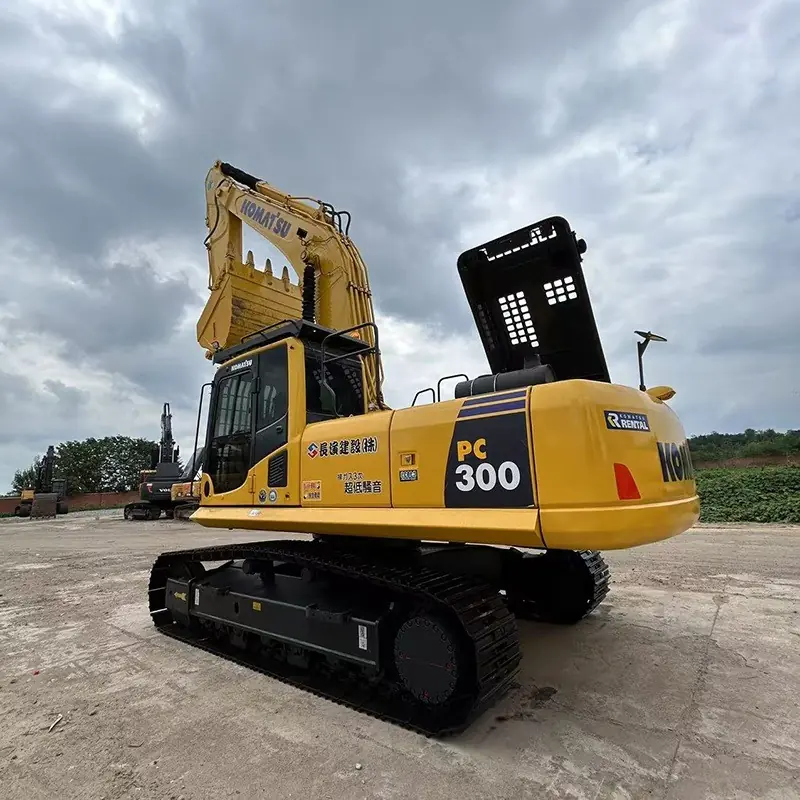
Cette excavatrice d'occasion Komatsu 300 est une machine sur chenilles destinée au terrassement et aux travaux généraux. La fiche indique un prix de USD $30,000, un poids de référence de 30t et un godet de 1.4m3. Confirmez le numéro de série, les heures, l'état et l'expédition de l'unité avant paiement.
- Prix affiché
- USD $30,000
- Poids opérationnel de référence
- 30t
- Capacité de godet de référence
- 1.4m3
Présentation du modèle
Cette excavatrice d'occasion Komatsu 300 est une machine sur chenilles destinée au terrassement et aux travaux généraux. La fiche indique un prix de USD $30,000, un poids de référence de 30t et un godet de 1.4m3. Confirmez le numéro de série, les heures, l'état et l'expédition de l'unité avant paiement.
Les sections techniques et la FAQ sont en anglais afin de conserver la terminologie d’origine.
When a 30-ton excavator earns its higher ownership cost
This class is justified when sustained production, heavier work tools, reach or stability creates enough project value to offset transport, fuel and component costs. A smaller excavator may be capable of the same general task but require more cycles, longer shifts or conservative bucket loads. A heavier carrier may improve truck loading, deep excavation or bulk handling, yet cost more to move and support. Build the comparison around material density, bank volume, swing angle, truck size, digging depth, lift radius, attachment duty and productive hours. Include mobilization between sites, access width, ground bearing and the cost of downtime. For intermittent general construction, a mid-size machine may be more economical. For repetitive high-volume work, the additional output of a 30-ton platform can matter. Avoid selecting the class from headline bucket capacity alone; the fitted bucket, work equipment, hydraulic condition, operator and site layout determine real cycles. The buyer should understand where the extra mass produces measurable value before accepting its ongoing costs.
Boom, arm and hydraulic configuration change the machine's role
Two units in the same nominal class may be configured differently for mass excavation, longer reach or attachment work and should not be priced as identical machines. Record boom and arm dimensions, bucket linkage, counterweight, coupler, auxiliary circuits, guarding and any reinforcement. A shorter work arrangement may favor breakout and heavy digging, while a longer arm can add reach with different lift and bucket limitations. Breaker or demolition preparation may include hydraulic plumbing or protection that a standard earthmoving machine lacks, but visible hoses do not establish adequate flow, cooling or structural suitability. Compare the actual serial-linked configuration with the buyer's digging range, material and work tool. Ask for a specification source that matches the generation and region, plus current measurements when markings are unclear. Non-factory modifications need explanation and inspection. Configuration should be a named part of the quotation so the buyer receives the same boom, arm, bucket and attachments that were evaluated.
Use 30t and 1.4m3 as references, not guarantees
Final operating weight, bucket, transport dimensions and performance must come from the exact machine and correct technical information. Weight can vary with track shoes, counterweight, boom, arm, bucket, coupler, piping and guarding. Bucket capacity needs to be matched to material density, profile, fill factor and stability; a larger bucket is not automatically more productive in hard or dense material. Request plate photographs, work-equipment images, bucket measurements and overall transport dimensions. Confirm whether the stated weight includes attachments that will ship with the machine. Digging depth, reach, engine output, hydraulic flow and lift values should be traced to the correct serial range rather than assembled from adjacent models. For object handling, use the applicable load chart and consider radius, height, orientation, track position, ground conditions and attachment mass. A reference page supports discovery and comparison, but serial-specific documents control the operating plan.
Read quarry, demolition or heavy-production history from evidence
Hard duty is not an automatic rejection; the buyer needs to know whether wear, maintenance and repairs are consistent with the work performed. Quarry support, demolition and bulk excavation load a machine differently. Breaker use can concentrate stress at boom and arm joints and increase hydraulic heat. Repetitive loading may produce high cycle counts with relatively limited travel. Uneven ground and frequent repositioning affect the undercarriage. Ask about prior applications, but verify the story through bucket and coupler wear, guarding, auxiliary lines, cooling cleanliness, structural repairs, track patterns and service records. A machine can work hard and remain commercially useful when inspections and repairs were timely. Conversely, a low hour-meter label cannot cancel fatigue, overheating or neglected lubrication. Classify duty-history claims according to their evidence and ask a qualified inspector to review areas consistent with the suspected work. The goal is to estimate remaining service needs, not to attach a simple good or bad label to an industry.
Structural fatigue and repair-quality inspection
Focus on load paths around the boom foot, cylinder mounts, arm, frames, counterweight and attachment linkage, documenting cracks, plates and welds. Clean the critical areas sufficiently for inspection and request high-resolution close views under useful lighting. Examine boom-foot pin bosses, boom and arm seams, cylinder brackets, bucket linkage, upper frame, carbody, track frames and counterweight mounts. Look for distortion, paint cracking, new plates, grinding marks and weld profiles. Repair evidence is not automatically disqualifying; its location, underlying cause, procedure, materials and subsequent use determine significance. An undocumented patch in a highly stressed area warrants more investigation than a disclosed repair with appropriate records and inspection. Dye penetrant, ultrasonic or other specialist methods may be appropriate when a competent person recommends them. Do not claim structural integrity from a walkaround alone. Put known repairs and limitations into the condition report and commercial discussion so maintenance planning begins before the machine reaches a production site.
Sustained-load engine and cooling assessment
A heavy machine should be observed from cold start through a meaningful warm work cycle because marginal cooling or power response may not appear at idle. Show warning lamps, cranking time, early exhaust, idle stability and gradual acceleration before loading the hydraulics. Continue digging or cycling long enough to observe temperature, engine response and fan or cooling behavior within safe operating practice. Inspect oil and coolant where safe, leaks, hoses, belts, intake, radiator, oil cooler and debris between cooler cores. Ask about overheating events, coolant loss and recent cooling-system work. Installed engine and emissions equipment vary by generation and region; identify them from the plate and correct literature. If aftertreatment is fitted, review current warnings and available fault or regeneration information. Qualified technicians can inspect codes, samples and performance where justified. A short video of one bucket movement is not evidence of sustained-load capability, especially for a machine intended to work long production shifts.
High-flow attachment and hydraulic-system matching
Confirm carrier flow, pressure, return, cooling and structural limits for the exact breaker, grapple or other attachment rather than assuming platform capability. Warm-test travel, swing, boom, arm and bucket individually and in combined cycles. Note delay, drift, surge, chatter, noise and leakage, then examine rods, seals, hose crimps, valves, main lines and center joint. For attachments, record circuit direction, adjustable settings, return arrangement, case drain, connectors, coupler or pin geometry and tool mass. A large breaker can create heat and impact loading even if the machine can move it. Compare attachment requirements with serial-specific carrier data and any guarding or reinforcement needs. Ask about prior tool use and inspect the boom, arm, pin joints and cooler package accordingly. Pressure or flow testing should be performed by trained personnel with appropriate service procedures. Attachment suitability is a system decision involving hydraulics, structure, stability and the intended duty cycle.
Track-shoe choice, ground pressure and undercarriage cost
Shoe width should match ground conditions and transport constraints, while component measurements should determine wear and near-term budget. Wider shoes can reduce ground pressure on soft surfaces but increase transport width and may introduce different stresses during turning on firm ground. Narrower shoes may suit hard, stable sites but are not universally better for lifting or breaker work; complete configuration and site conditions govern stability. Record fitted shoe width and inspect both sides of the track system, including shoes, links, pins and bushings, sprockets, idlers, rollers, guards and final drives. Observe straight travel, steering and unusual noise. Compare side-to-side wear and ask whether major components were replaced at different times. Remaining-life percentages must show measurements and reference limits. Undercarriage work on a 30-ton machine is material to total cost, so it should be quantified before price negotiations rather than discovered after delivery.
Serial identity, hour-meter validation
Treat 500 catalog fields as unverified until a continuous evidence chain connects them to the complete offered unit. Request video that begins with the exterior and identification plate, enters the cab to show the monitor before start-up and continues into operation. Compare the meter with wear on controls, seat, access steps, pin joints, bucket, slew area and undercarriage. Review service invoices, previous inspection reports or telematics when genuinely available, checking serial identity and meter progression. Heavy production can create many cycles with limited travel, while other work can generate undercarriage wear without equivalent digging hours, so one wear indicator should not be used alone. If machine history affects import eligibility, confirm accepted documents with the destination broker or authority. Put verified identity and configuration in the quotation. Keep unresolved history visible rather than converting precision in a catalog into a claim of certainty.
Controls, monitor and operator environment
A production machine needs predictable controls, visible warnings and a usable cab for long shifts; these items should be tested, not inferred from photographs. Inspect seat and restraint, joysticks, pedals, monitor, warning lamps, mode controls, horn, cameras or mirrors, lights, glass, wipers, climate system, access steps and handrails. Ask about active fault codes and demonstrate available working modes. Compare pedal and lever wear with the hour narrative. Damaged access points or poor visibility can create daily safety exposure even when the main hydraulic system performs. Guarding, alarms, fire suppression, lifting equipment and demolition protection requirements depend on destination and application. Confirm them with qualified local sources and identify missing equipment before mobilization. Operator comfort also affects sustained productivity, particularly in high-cycle loading. A clean cab is useful but does not replace engine, hydraulic or structural evidence.
Production economics and risk-adjusted purchase price
Compare output potential with fuel, transport, wear, repairs and downtime under the same commercial basis rather than buying on nominal size alone. Build a cost model using expected cycles, annual hours, material, haul-unit match and operator cost. Then add machine price, bucket and tools, inspection, initial service, known structural or hydraulic work, undercarriage allowance, origin haulage, dismantling, packing, loading, freight, insurance when requested, destination handling, duties, reassembly and inland delivery. Use the same Incoterm and named place for every quote. A machine with documented repair can be priced rationally; unknown fatigue or cooling problems require a larger risk allowance. Availability of destination technicians, diagnostic tools and heavy components affects downtime. The best commercial choice is the unit whose supported condition and delivered production cost fit the contract, not necessarily the lowest advertised price or largest theoretical bucket.
Dismantling, heavy transport and arrival planning
The shipping plan must be designed around measured configuration, route limits, handling equipment and a documented reassembly scope. A machine in this class may require removal of bucket, arm, boom, counterweight or other components depending on flat-rack, breakbulk, roll-on/roll-off or regional road limits. No single method should be promised before the exact dimensions, weights, carrier rules, destination port and inland route are known. Agree who will dismantle, label pins and hoses, cap hydraulic connections, protect cylinder rods and pack loose parts. Record component weights and lifting points where reliable information is available. Photograph the complete machine, serial plate, meter, components and existing damage before loading. Confirm destination cranes, lifting accessories and qualified reassembly personnel in advance. On arrival, inspect cargo before movement and reconcile the component list. Current freight and broker advice is essential because routes, port capacity, costs and import rules change.
Final procurement decision for a heavy crawler
Approve only after production fit, serial identity, duty history, mechanical evidence, structural condition, delivered economics and support are jointly acceptable. Begin with the project's material and cycle requirements. Verify the actual boom, arm, bucket, tracks and auxiliary circuits. Connect the plate, monitor and records to the offered machine. Review cold start, sustained cooling, warm hydraulics, attachment system, pin joints, structural load paths, undercarriage and cab. Escalate uncertain repairs or performance to qualified inspection. Calculate transport and commissioning cost using a route-specific dismantling plan. Confirm parts, technicians, diagnostics and suitable lifting resources at destination. Record every unknown and decide whether it requires more evidence, a price allowance or rejection. This disciplined process helps distinguish a productive heavy machine with manageable history from a listing whose specifications and condition cannot yet be supported.
Komatsu 300 buyer FAQ
What work suits a used Komatsu 300 excavator?
This 30-ton reference class is commonly considered for sustained earthmoving, large foundations, infrastructure, quarry support, heavy demolition preparation and material handling. Configuration and condition must match the exact task.
What weight and bucket are listed?
The website lists 30t operating weight and 1.4m3 bucket capacity as references. Actual mass and bucket vary with work equipment, tracks, counterweight, coupler and attachments.
How can heavy-duty history be assessed?
Review attachment wear, auxiliary plumbing, cooling condition, track patterns, structural repairs and serial-linked service records. Quarry or demolition history should be supported rather than assumed from appearance.
Should structural weld repairs always disqualify a machine?
No automatic rule applies. Location, cause, repair procedure, workmanship, documentation and subsequent inspection determine significance. Repairs in critical load paths may justify specialist assessment.
What track-shoe width should I choose?
Match shoe width to ground bearing, turning behavior, stability considerations and transport limits. Confirm the actual fitted shoes and use complete site and configuration data rather than a universal recommendation.
Can it operate a large hydraulic breaker?
Only when the exact carrier's flow, pressure, return, cooling, attachment mass, structure and guarding match the breaker requirements and intended duty cycle. Qualified review is recommended.
How is a 30-ton excavator prepared for shipment?
The route may require removing the bucket, arm, boom, counterweight or other parts. Final scope depends on measured dimensions, component weights, carrier rules, ports and inland handling resources.
Related Komatsu excavators
- Komatsu PC270 — 27t reference weight
- Komatsu PC350 — 35t reference weight
- Komatsu PC350LC — 35t reference weight
Demander les détails de la machine
Indiquez le port de destination, la quantité et vos priorités d’inspection. Nous répondrons avec les détails de la machine précise.
Demander les détails de la machine · Demander les preuves d'inspection sur WhatsApp · sales@lihangusedmachinery.com