Excavatrice d'occasion Kobelco Sk70SR à vendre
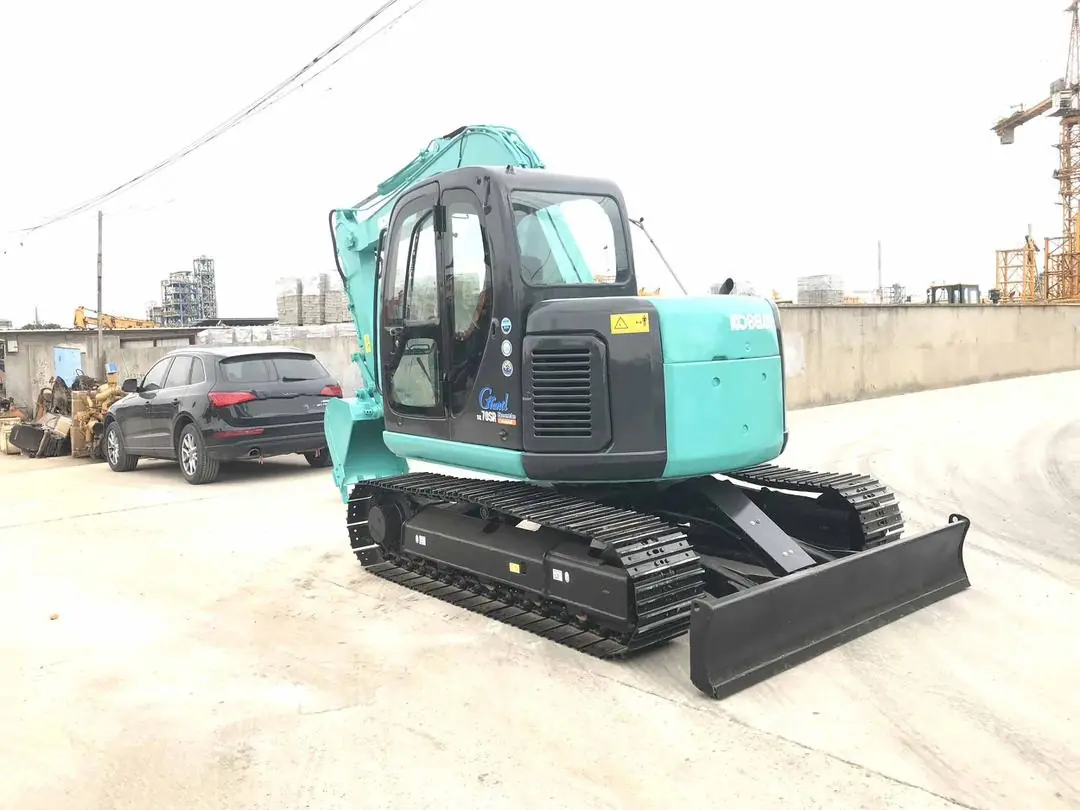
Réponse rapide pour les acheteurs
Cette excavatrice d'occasion Kobelco Sk70SR est une machine sur chenilles destinée au terrassement et aux travaux généraux. La fiche indique un prix de USD $13,500, un poids de référence de 7t et un godet de 0.22m3. Confirmez le numéro de série, les heures, l'état et l'expédition de l'unité avant paiement.
- Prix affiché
- USD $13,500
- Poids opérationnel de référence
- 7t
- Capacité de godet de référence
- 0.22m3
Présentation du modèle
Cette excavatrice d'occasion Kobelco Sk70SR est une machine sur chenilles destinée au terrassement et aux travaux généraux. La fiche indique un prix de USD $13,500, un poids de référence de 7t et un godet de 0.22m3. Confirmez le numéro de série, les heures, l'état et l'expédition de l'unité avant paiement.
Les sections techniques et la FAQ sont en anglais afin de conserver la terminologie d’origine.
What short-radius design changes on a real job site
A compact rear swing can reduce clearance demand during rotation, but safe operation still depends on the complete machine envelope and site controls. Short radius is valuable beside traffic lanes, walls, fences and active utilities because the operator may need less rear clearance than with a conventional counterweight. It is not the same as permission to rotate without checking surroundings. Track width, counterweight position, boom geometry, bucket path, blade, attachments and material being handled all influence the hazard area. Measure the narrowest working zone and identify fixed obstacles, overhead lines, underground services and pedestrian exposure. Ask for a video showing the upper structure rotating over both sides so the buyer can see actual clearance. If the project depends on working very close to an obstruction, confirm the serial-specific dimension rather than relying on the letters in a model name. Good site planning combines machine geometry with exclusion zones, a competent operator and an agreed communication method for anyone working nearby.
Where the seven-ton class sits between mini and production excavators
This class can offer greater reach, stability and attachment capability than a smaller mini while retaining easier mobilization than a full-size crawler. The useful comparison is not simply seven tons versus six or eight. Buyers should compare the task cycle: trench depth, spoil placement, pipe or chamber handling, grading area, breaker demand and frequency of transport. A smaller unit may access tighter spaces and reduce ground loading, but it may work closer to its limit or require more cycles. A larger conventional machine may produce faster in open ground but require more swing room and transport planning. This middle position is often attractive to utility, municipal and light-commercial teams that face mixed sites rather than one repetitive bulk-earthmoving contract. Estimate productive hours, mobilization expense and repair exposure for each option. The right machine is the one that completes routine work comfortably while fitting the actual site—not the largest carrier that can enter or the smallest one that can technically lift the bucket.
Use reference specifications without creating false precision
Treat 7t and 0.22m3 as comparison data and use measured, serial-linked information for transport, stability and production decisions. Operating mass varies with cab, tracks, blade, arm, coupler, bucket, piping, guarding and other equipment. Bucket capacity must also be read with bucket width, shape and material density. Request photographs of the data plate and fitted work tool, and ask for overall length, width and height in transport position. If the seller provides digging-depth, reach, breakout or hydraulic figures, verify that the source applies to the correct generation, market and configuration. Do not merge figures from adjacent variants into one specification table. For loading or lifting decisions, consult the proper serial-range documentation and account for attachment, radius, height, blade position, ground level and machine orientation. A general sales page can identify questions and shortlist criteria; it should not replace the technical information needed for a specific operating plan.
Utility, roadside and municipal work fit
The short-radius class is commonly evaluated for water, sewer, drainage, road repair and developed-site work where production and clearance must be balanced. On a utility project the machine may excavate a trench, manage spoil, prepare bedding, backfill and grade within one shift. Roadside work adds traffic separation and limited rotation space. Municipal assignments may change from culvert cleaning to pavement breaking or landscape restoration, making attachment planning important. Before choosing the carrier, define routine digging depth, trench width, spoil distance and the heaviest item that may need controlled handling. Confirm ground bearing conditions and whether the blade can be positioned without obstructing traffic or damaging services. Where a project includes lifting, use the applicable load chart and local procedures; carrier weight or a lowered blade alone does not establish a safe capacity. If most work occurs on open sites with unrestricted swing, compare a conventional machine because compact packaging may not deliver the best production economics in every application.
Unit identity and hour-meter verification workflow
A continuous plate-to-monitor-to-operation record is more useful than separate photographs that cannot be confidently linked to one machine. The site currently displays 500 as catalog fields. They must not be treated as verified machine history or operating history until current evidence supports them. Ask the seller to film the complete machine, identification plate, cab and monitor in one sequence before start-up, then continue into the operating demonstration. Compare meter hours with wear at the controls, seat, blade joints, bucket linkage, coupler, slew area and undercarriage. Review service invoices or fleet records when available and ensure their serial information agrees. year may also affect destination rules, so confirm acceptable documents with the relevant broker or authority. Put the verified unit identity in the quotation, inspection request and shipping paperwork. This simple chain makes it harder for specifications, images or records from a similar machine to enter the purchase file by mistake.
Engine, cooling and warm-load observations
Begin with an authentic cold start and continue long enough to observe engine response and temperature while the hydraulic system performs work. The recording should show monitor warnings, cranking, early exhaust behavior, idle and gradual acceleration. Watch for smoke that persists, irregular sound, warning indicators, unstable speed or loss of response as load increases. Inspect oil and coolant condition where it is safe to do so, along with leakage, hoses, wiring, belts, air intake, radiator and cooler cleanliness. A machine used around dust, demolition or roadside material may need particular attention to the cooling package. Engine family and output vary by generation and region, so identify the installed unit from the serial plate and correct literature rather than importing a generic horsepower statement from another listing. If symptoms or purchase value justify it, a qualified technician can review codes, obtain samples or perform approved measurements. The goal is evidence about this machine, not a broad assurance based on brand reputation.
Hydraulics, auxiliary circuits and breaker-readiness
Warm-test all basic and combined functions, then match auxiliary flow, pressure and plumbing to the exact work tool under consideration. Demonstrate both travel sides, swing, boom, arm, bucket and blade, followed by simultaneous movements that show how the system responds during a work cycle. Note delay, drift, chatter, unusual pump noise, cylinder movement and changes after warm-up. Examine rods, seals, hose crimps, exposed piping, valve areas and the center joint for damage or leakage. Breakers, compactors and augers can impose different flow, pressure, return and case-drain requirements. Verify one-way or two-way operation, connectors, control settings, coupler or pin geometry and attachment mass. A fitted hose set does not show that a tool is correctly matched. Use the attachment manufacturer's carrier range and serial-specific machine data, and have pressure or flow testing performed by trained personnel. Evidence of previous breaker use should also lead to careful checks of boom, arm, pins and cooling condition.
Blade condition, stability and lifting questions
The blade supports grading and can affect stability, but safe lifting requires the correct load chart, configuration, radius and site procedure. Inspect the blade face, cutting edge, arms, cylinder, hoses, mounts and pivot play. Watch it raise, lower and hold position, then observe whether the machine sits evenly on suitable ground. For grading, check control response and wear that could make fine finishing difficult. For any planned object handling, identify the approved lifting point, load-control equipment, attachment mass and applicable local rules. Capacity changes with boom position, reach, height, orientation and whether the blade is correctly placed; general statements about a seven-ton machine cannot replace the relevant chart. Ground failure, side slopes and dynamic movement can reduce stability further. Ask a qualified person to plan lifts and never use a sales description as a lifting authorization. The buyer's practical question is whether the complete configuration safely matches the routine task, not whether the excavator can raise an object once in a demonstration.
Slew system, undercarriage and structural evidence
Compact packaging and attachment work make slew condition, track wear, boom joints and repair history important cost and safety checks. Photograph the track system on both sides, including chains or rubber condition, sprockets, idlers, rollers and guards. Obtain measurements and reference method before accepting a remaining-life percentage. Observe straight travel, steering response and noises from each side. Check the slew ring area and distinguish play there from movement in boom or attachment pins. Inspect the boom foot, arm, bucket linkage, coupler and blade joints under controlled loading. Review the boom, arm and frames for cracks, distortion, plates and welds, especially when previous hydraulic-tool work is suspected. Fresh paint may improve presentation but can also make surface history harder to read, so request close current images and disclosure of known repairs. A competent independent inspector can help classify findings and estimate their effect on use and near-term repair cost.
Price comparison and the evidence package
Compare quotes only after aligning condition evidence, included attachments, Incoterm and all costs required to put the unit to work. Build a cost sheet covering machine, bucket and coupler, additional tools, inspection, initial service, expected repairs, origin haulage, loading, freight, insurance when requested, destination fees, duties and inland delivery. Record what dismantling or packing is included and what reassembly support is expected. The evidence folder should contain serial-linked photographs, cold-start and warm-operation videos, measured wear, known repairs, quotation and any independent report. A precise year or hour figure should not raise value until supported. Likewise, the cheapest headline price can be poor value if undercarriage, hydraulic or structural work is imminent. State the Incoterm and named place on every comparison. The resulting risk-adjusted delivered cost gives purchasing and operations teams a more defensible basis than a marketplace price viewed without context.
Transport preparation and final approval gates
Use measured dimensions and a component plan for transport, and approve the purchase only after job fit, identity, condition, economics and support are reviewed. Confirm actual weight and dimensions in shipping configuration, carrier limits and whether the bucket or another component will be removed. Protect hydraulic connections, secure loose parts and create a packing list. Take photographs immediately before loading so the receiving team has a condition reference. At arrival, verify serial identity and included equipment before start-up. The final decision should pass five gates: the machine fits the intended site and work cycle; the identity and catalog fields are properly classified; mechanical evidence supports the condition; total delivered cost is acceptable; and destination technicians and parts suppliers can support the relevant serial range. Route, port and import requirements change, so obtain current advice for the destination. Unknowns should be written down and resolved or priced as risk rather than converted into optimistic assumptions.
Kobelco Sk70SR buyer FAQ
What does short radius mean on a used Kobelco SK70SR excavator?
It describes a compact rear swing intended to reduce clearance demand during upper-structure rotation. Exact overhang varies by configuration, and the boom, bucket, blade and site exclusion zone still need to be considered for safe operation.
What weight is listed for this machine?
The website uses 7t as a reference operating weight. Cab, tracks, blade, arm, coupler, bucket, piping and guarding can change actual mass, so confirm serial-specific data and measured shipping weight.
What bucket capacity is listed?
The reference is 0.22m3. Confirm the currently fitted bucket through photographs, markings or dimensions and ensure its capacity, width, coupler and material suitability match the planned task.
Can it handle pipe or precast components?
Object handling may be possible only within the correct serial-specific load chart and configuration. Capacity changes with radius, height, orientation, attachment and blade position. A qualified person should plan lifting under applicable local rules.
What should a warm hydraulic test include?
Show travel, swing, boom, arm, bucket and blade in individual and combined movements after warm-up. Observe delay, drift, noise, leaks and performance changes, and use trained technicians for pressure or flow diagnostics.
How should two quotations be compared?
Align serial identity, evidence, included tools, repairs, Incoterm and named place, then add inspection, origin costs, freight, insurance when requested, destination fees, duties and delivery to calculate risk-adjusted total cost.
Can an independent inspection be requested?
An inspection may be arranged subject to agreed access, scope, inspector, test limits, timing and costs. The report should identify the exact serial-numbered unit and explain measurements or diagnostic limits.
Related Kobelco excavators
- Kobelco SK55SR — 5.5t reference weight
- Kobelco SK60 — 6t reference weight
- Kobelco SK75 — 7.5t reference weight
Demander les détails de la machine
Indiquez le port de destination, la quantité et vos priorités d’inspection. Nous répondrons avec les détails de la machine précise.
Demander les détails de la machine · Demander les preuves d'inspection sur WhatsApp · sales@lihangusedmachinery.com