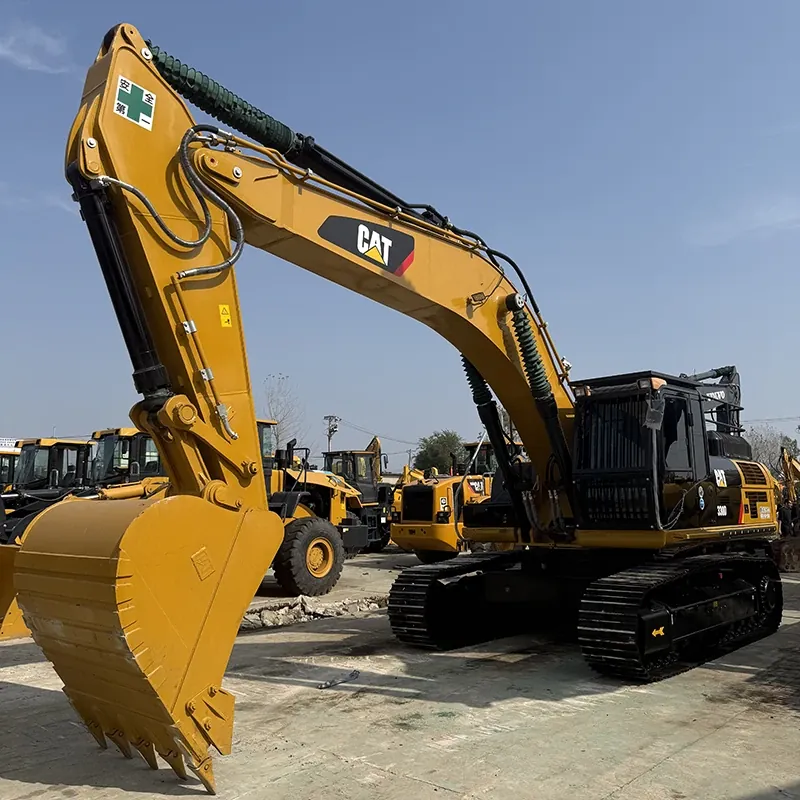
Excavatrice d'occasion CAT 330D à vendre
Réponse rapide pour les acheteurs
Cette excavatrice d'occasion CAT 330D est une machine sur chenilles destinée au terrassement et aux travaux généraux. La fiche indique un prix de USD $22,000, un poids de référence de 30t et un godet de 1.5m3. Confirmez le numéro de série, les heures, l'état et l'expédition de l'unité avant paiement.
- Prix affiché
- USD $22,000
- Poids opérationnel de référence
- 30t
- Capacité de godet de référence
- 1.5m3
Présentation du modèle
Cette excavatrice d'occasion CAT 330D est une machine sur chenilles destinée au terrassement et aux travaux généraux. La fiche indique un prix de USD $22,000, un poids de référence de 30t et un godet de 1.5m3. Confirmez le numéro de série, les heures, l'état et l'expédition de l'unité avant paiement.
Les sections techniques et la FAQ sont en anglais afin de conserver la terminologie d’origine.
What kind of excavator is this?
The CAT 330D is a conventional-tail-swing crawler excavator in the 30-ton working class, intended for production tasks that demand more digging capacity and stability than a typical 20-ton machine. A buyer normally considers this size for bulk cut-and-fill, road formation, quarry support, deep foundation preparation, large drainage work, rock handling and repeated loading of larger trucks. Its value is not simply that it is heavier. The useful question is whether its bucket cycle, reach, stability and daily production potential match the material, haul fleet and site layout. A large excavator can wait unnecessarily when too few trucks serve it, while a smaller machine can become a bottleneck on a high-volume project. Before asking for a quotation, record the expected material density, required digging depth, loading height, lift radius, work hours per shift, access width and local transport limits. Those inputs give the supplier enough context to explain whether the offered configuration is suitable. They also help the buyer avoid choosing on model reputation alone. Final job suitability depends on the actual boom, arm, bucket, tracks and counterweight installed on the serial-numbered unit.
How to use the 30t and 1.5m3 reference specifications
Treat the displayed weight and bucket capacity as shortlist references, then verify the actual configuration before calculating production, lifting, transport or fuel requirements. The catalog uses approximately 30t for operating weight and 1.5m3 for bucket capacity. These values help buyers place the machine in the correct market class, but they do not replace a serial-range specification sheet or direct measurement. Operating mass can change with shoe width, guarding, boom and arm selection, bucket type, quick coupler, auxiliary lines and other equipment. Bucket capacity alone also does not predict output: fill factor, material density, operator technique, swing angle, truck position and cycle interruptions all matter. Ask for current photographs of the installed bucket, its width, visible capacity markings and the condition of the cutting edge, adapters and side cutters. For transport, request measured overall length, width and height in the proposed shipping condition, including which components will be removed. For lifting work, use the correct load chart for the exact configuration and apply local safety rules. This evidence-led approach answers specification searches accurately without presenting a catalog reference as a guarantee for a particular used unit.
Match the machine to material, trucks and site constraints
The strongest purchase case exists when the excavator can work near its productive range without creating avoidable transport, access or fleet-balancing costs. Start with material rather than tonnage. Loose soil, wet clay, blasted rock and dense demolition debris create very different bucket-fill and wear conditions. A general-purpose bucket may suit earthmoving, while abrasive or high-density material may require a smaller, reinforced attachment. Then consider the truck fleet. Count the practical bucket passes per load, the truck approach and departure time, and whether the loading bench lets the operator use a short, efficient swing. An impressive machine can still deliver poor system output if trucks queue badly or the bench is unstable. Site access is the next gate: confirm gate width, overhead clearance, working radius, ground-bearing conditions and the low-bed route. On urban or confined projects, tail clearance and mobilization may outweigh raw production. On remote earthworks, fuel supply, technician access and spare-parts lead time deserve greater weight. Ask the seller for dimensions and operating evidence, but have the project engineer decide whether the proposed setup fits the actual site. A clear work profile makes the inquiry more useful and reduces irrelevant quotations.
Confirm identity before comparing condition or price
A reliable sourcing file connects the identification plate, full-machine photographs, monitor display, inspection media and written quotation to the same asset. Begin with a sharp, readable photograph of the serial plate and a wider image showing where it is mounted. Request front, rear, both sides, upper structure, carbody, boom, arm, bucket and cab views in one current photo set. The quotation should repeat the same serial identity and state the model designation without shortening or changing it. If manufacture year or operating hours influence the price, ask what evidence supports each field and keep the meter reading separate from a claim of total lifetime hours. A meter is useful condition context, but it cannot by itself prove use history. Date-stamped video should show the same machine, plate and monitor before the operating sequence begins. Check that paint patterns, attachments and visible wear remain consistent across files; mismatched media is a reason to pause and clarify, not proof of fraud by itself. This identity chain is particularly important in remote trade because specifications, service records, inspection findings and shipping documents only have value when they refer to the unit named in the contract.
Engine and cooling-system checks from cold start to working temperature
Request a continuous cold-start and warm-operation record because a short, pre-warmed demonstration can hide starting, smoke, pressure or cooling concerns. The video should begin before the engine starts and show the ambient conditions, monitor, exhaust area and engine bay. Observe cranking time, idle stability, warning indicators and smoke behavior without diagnosing from video alone. Ask the inspector to look for active leaks, damaged hoses, contaminated areas, loose mounts and evidence of recent cleaning that needs explanation. The cooling package deserves close attention on a production excavator: inspect radiator and cooler cores for blockage or damage, check fan condition, examine coolant appearance when safe, and record operating temperature during a sustained test. A machine that idles smoothly may behave differently under combined hydraulic load, so the test should progress to normal temperature before conclusions are made. Request available service information, fluid sampling or diagnostic reports when commercially justified, but understand what each record can and cannot prove. Laboratory results reflect the sampled fluid and sampling method; diagnostic codes need qualified interpretation. Buyers should have an independent technician assess material findings and estimate corrective work before using them in a price decision.
Hydraulic performance: test functions together, not only one at a time
A useful hydraulic review checks warm combined movements, cylinder condition, pump response, drift, unusual noise and visible leakage under a repeatable test sequence. After warm-up, cycle boom, arm and bucket through their full practical ranges and operate travel and swing in a safe area. Single-function speed can look acceptable even when combined movements expose weak response, so include realistic combinations such as boom-up with arm-in and swing. Record the engine note and monitor while the machine works; do not attempt unsafe stall tests without trained personnel and correct procedures. Inspect cylinder rods for scoring, corrosion and damage, then examine glands, hose crimps, valve areas, pump compartment and swivel region for fresh oil. Measure attachment pin movement where possible instead of describing it only as tight or loose. Check boom and arm holding behavior on safe ground, recognizing that acceptable drift limits require the correct technical reference. Oil temperature and viscosity influence performance, which is another reason to document test conditions. A remote video is a screening tool, not a substitute for pressure, flow and case-drain measurements by a qualified technician when the purchase value or observed symptoms justify deeper testing.
Inspect the boom, arm, carbody and swing system for load history
Structural condition can affect both safety and repair cost, so high-stress areas should be clean enough to inspect and photographed from useful angles. Look closely around boom foot mounts, cylinder brackets, arm and bucket linkage points, lift eyes, counterweight area, upper-frame connections and the crawler carbody. Uneven weld appearance, plate additions, paint differences or heat marks deserve a clear explanation and professional assessment; they are observations, not automatic proof that a repair is unacceptable. Ask for close images and wider context so the location and extent are understandable. Check whether the boom and arm appear aligned, whether guards or steps are distorted, and whether missing hardware suggests unfinished work. During safe operation, listen for abnormal sound through swing acceleration and deceleration and observe stopping control. Swing-bearing movement should be measured using an appropriate method rather than guessed from one video angle. Inspect the ring-gear area and swing-drive region for leakage where accessible. If repair history is available, request the scope, date and supporting documentation. Where structural findings are material, use a competent inspector or repair specialist to judge workmanship and suitability for the intended duty before payment.
Measure the undercarriage instead of relying on a percentage claim
Undercarriage life is a major ownership-cost variable, and measurements provide a more comparable basis than an unsupported remaining-life percentage. Request clear photographs of both track chains, shoes, sprockets, front idlers, top rollers, bottom rollers, guards and adjuster areas. A useful inspection records component dimensions at representative points and compares them with the correct service limits for the installed undercarriage. The method and reference matter: a single photograph or general statement such as “80 percent” cannot show how the figure was calculated. Note uneven wear between sides, seized links, damaged shoes, leaking rollers, sharp sprocket profiles, abnormal track tension and signs that mud packing affects the observation. Travel the machine forward and backward on suitable ground, check steering response and listen near each final drive from a safe position. Ask whether track components are original, mixed or recently replaced and whether invoices are available. Turn measurements into a cost forecast by pricing parts, labor, freight and downtime at the destination. A lower purchase price may be less attractive if major chain, roller and sprocket work is close, especially where heavy components and specialist labor have long lead times.
Cab, controls and safety items that affect daily operation
Cab condition is more than appearance: controls, visibility, alarms, access and operator protection influence safe, productive use every shift. Check seat adjustment and belt condition, mirrors or cameras, windows, wipers, horn, work lights, travel alarm, gauges, monitor functions and access steps. Confirm that controls return normally and that joysticks, pedals and travel levers do not show unexplained binding or excessive free play. Test heating, ventilation and air conditioning where climate or operator retention makes them important, but record the test conditions rather than simply writing “working.” Inspect the cab structure and mounting points for damage or modification. Safety labels, emergency exits, guards and handrails should be assessed against destination requirements and the intended work environment. The buyer is responsible for determining which local guarding, lighting, fire suppression, object-protection or compliance provisions are required before operation. Also look at practical details: storage, floor condition, dust sealing and monitor readability can reveal how the machine has been used and maintained. List every non-working item in the quotation or inspection report so small omissions do not become disputes after arrival. Photographs should document both defects and completed repairs.
How to compare price using total landed and readiness cost
Compare offers only after they use the same inclusions, evidence standard, delivery point and assumptions about near-term repairs. The advertised price rarely tells the whole commercial story. Build a worksheet with the machine price, included attachment, inspection fee, inland transport, dismantling, cleaning, port handling, export charges, ocean freight, insurance, destination handling, taxes or duties, broker costs, inland delivery and reassembly. Obtain current route-specific figures from the responsible service providers because rates and rules change. Add a readiness allowance for maintenance and repairs identified during inspection, including fluids, filters, hoses, pins, bucket wear parts, undercarriage components or cab items. Keep confirmed costs separate from contingencies. Then compare productive value: job fit, evidence quality, likely availability, local parts support and expected downtime may justify a higher initial price. Avoid treating manufacture year or meter labels as established value until the exact unit supports them. The cleanest quotation names the serial-numbered machine, specifies included and excluded items, states the validity period and defines the delivery term clearly. If two offers cannot be normalized, the cheaper headline figure is not necessarily the cheaper machine to own or import.
Plan dismantling, loading and handover before the deposit
Shipping should be designed around measured dimensions, route constraints and destination handling capacity rather than a generic promise that the machine can be exported. Ask the freight partner to evaluate Ro-Ro, flat-rack or other suitable arrangements based on the exact origin, destination and unit condition. Confirm whether the machine can move safely under its own power and what the carrier requires. If the boom, arm, bucket, counterweight, handrails or other components will be removed, define the scope, lifting method, packing, protection and reassembly responsibility in writing. Photograph connection points before disassembly and label loose parts so the destination team can identify them. Record final transport dimensions and weights after the shipping configuration is agreed; nominal operating weight is not a substitute for cargo declarations or lifting plans. Keep loading photographs tied to the serial identity, and reconcile accessories against a packing list before release. The destination broker should confirm current import documents, eligibility and local charges before payment. Regulations differ by country and can change, so this page does not promise a universal document set. A good handover file combines invoice details, packing information, inspection evidence, loading record and the contacts responsible for each stage.
A decision framework for nearby sizes and alternatives
Choose the candidate that best satisfies the project and evidence requirements, not automatically the newest, largest or lowest-priced listing. Compare this machine with nearby CAT choices and cross-brand alternatives using one scorecard. First score job fit: digging range, attachment, material, loading target, ground conditions and site access. Next score condition evidence: identity continuity, cold start, warm combined functions, structure, measured undercarriage, visible defects and any technician findings. Then score ownership support: local parts availability, diagnostic capability, technician familiarity and lead time for high-cost components. Finally compare landed and readiness cost using the same delivery point. A smaller excavator may mobilize more easily and consume less on moderate work, but could miss production targets. A larger one may offer capacity while increasing freight, fuel and access burdens. Nearby suffixes should not be assumed to share every specification or part; use the serial number when checking technical information. Write pass-or-fail conditions before negotiation—for example, maximum shipping width, required attachment, minimum evidence set and acceptable repair budget. This reduces emotional buying and makes the final inquiry precise enough for a supplier to answer.
What to include in a serious purchase inquiry
A concise, project-specific inquiry produces a more useful response than asking only for the best price. State the destination country and port, required delivery timing, principal application, material type, expected daily production, required digging depth or loading height, preferred bucket and any auxiliary-hydraulic needs. Ask whether a specific serial-numbered unit is currently available and request its present location, identification photos, meter information, attachment list and known defects. Define the media you need: current walk-around photographs, cold start, warm combined operation, travel, swing, leak areas, structure and undercarriage measurements. Ask for a written quotation that separates machine price, preparation, inland logistics, export handling and estimated freight under a named delivery term. If third-party inspection is required, clarify access and test scope before paying an inspector. Do not send sensitive identity or banking information through an unverified contact route, and confirm beneficiary details through an independently verified business channel before transfer. The supplier’s answer can then be evaluated against a consistent checklist. This page supports that conversation but does not certify the condition or availability of an unnamed machine.
CAT 330D buyer FAQ
What size class is this crawler excavator?
The catalog places it in the approximately 30t operating-weight class. Actual mass varies with the serial-specific configuration, tracks, boom, arm, bucket, coupler and guarding, so request measured shipping dimensions and the correct technical sheet for the offered unit.
What bucket capacity is shown on this page?
The website uses 1.5m3 as a comparison reference. Confirm the fitted bucket from current photographs, width, markings and serial-specific configuration because used machines can be sold with different attachments.
Which jobs commonly suit a used CAT 330D excavator?
Typical shortlist applications include bulk excavation, road formation, quarry support, large foundations, rock handling and truck loading. Suitability still depends on material density, required working range, site access, truck balance and the actual attachment.
How can an overseas buyer verify condition remotely?
Connect the serial plate to current photos, monitor evidence, a continuous cold-to-warm operating video and the written quote. Request combined hydraulic operation, travel, swing, leak and structure views plus measured undercarriage data. Use an independent qualified inspector when risk or value warrants it.
Why is there no fixed price on the page?
Used-equipment value changes with identity evidence, supported age and hours, mechanical condition, attachment, undercarriage wear, location, preparation and freight. A responsible quote should identify the exact unit and separate included services so buyers can compare landed and readiness cost.
What should be confirmed before shipping?
Confirm serial identity, measured transport dimensions and weights, dismantling scope, loading method, accessory list, delivery term, route-specific freight and destination import requirements. Keep inspection, loading and commercial records connected to the same machine.
What information should I send when requesting a quote?
Provide destination, application, material, required working range, preferred attachment, delivery timing and inspection needs. Ask for exact-unit identity, current media, known defects, inclusions, exclusions, quote validity and route-specific shipping options.
Related CAT excavators
Demander les détails de la machine
Indiquez le port de destination, la quantité et vos priorités d’inspection. Nous répondrons avec les détails de la machine précise.
Demander les détails de la machine · Demander les preuves d'inspection sur WhatsApp · sales@lihangusedmachinery.com