Excavatrice d'occasion CAT 315D2GC à vendre
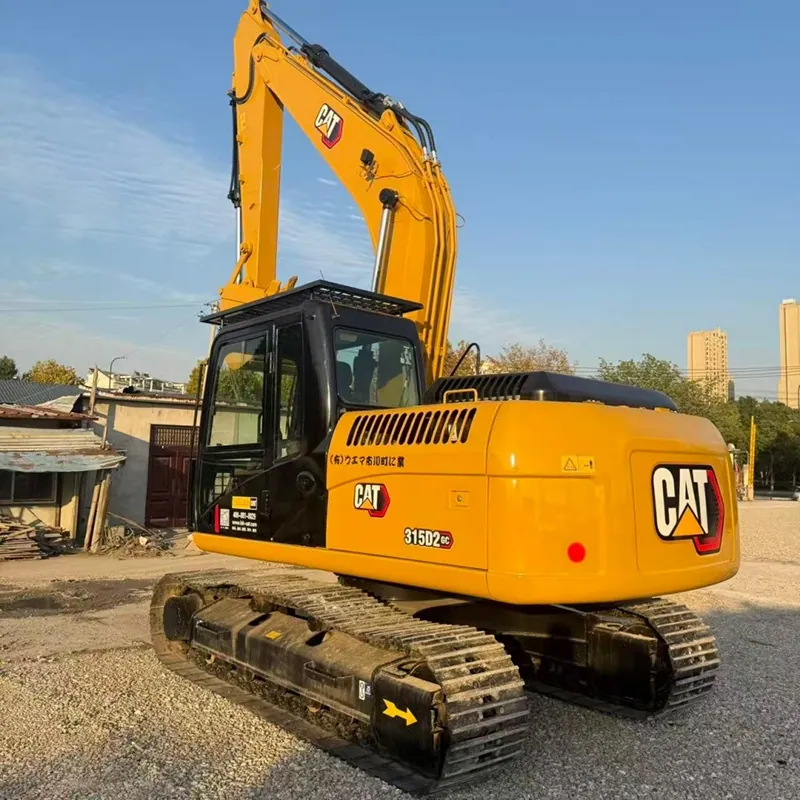
Réponse rapide pour les acheteurs
Cette excavatrice d'occasion CAT 315D2GC est une machine sur chenilles destinée au terrassement et aux travaux généraux. La fiche indique un prix de USD $18,000, un poids de référence de 15t et un godet de 0.65m3. Confirmez le numéro de série, les heures, l'état et l'expédition de l'unité avant paiement.
- Prix affiché
- USD $18,000
- Poids opérationnel de référence
- 15t
- Capacité de godet de référence
- 0.65m3
Présentation du modèle
Cette excavatrice d'occasion CAT 315D2GC est une machine sur chenilles destinée au terrassement et aux travaux généraux. La fiche indique un prix de USD $18,000, un poids de référence de 15t et un godet de 0.65m3. Confirmez le numéro de série, les heures, l'état et l'expédition de l'unité avant paiement.
Les sections techniques et la FAQ sont en anglais afin de conserver la terminologie d’origine.
A middleweight excavator for changing phases of site development
The CAT 315D2GC can be evaluated as a multi-stage site machine, capable of moving from initial clearing and drainage to foundations, loading and final shaping when its configuration matches the work. A site-development contractor rarely performs one repetitive task for the whole project. Early work may include removing unsuitable material, forming access roads and cutting drainage. The same carrier may later excavate footings, load trucks, place stone, shape retention areas and support utility crews. A 15-ton-class machine can be attractive when it provides enough working range and stability for these transitions without consuming the space or mobilization budget of a heavier excavator. The buying decision should begin with a phase map. List the deepest excavation, widest reach, common loading height, heaviest routine handled item, dominant material, planned attachments and expected hours in each phase. Note gate widths, temporary roads, finished surfaces and how often the machine moves between projects. This exposes the difference between occasional capability and daily fit. If most hours require maximum reach or lift, another configuration may be safer and more productive. If most work is light and access-limited, a smaller carrier may achieve better utilization. Final selection must use the actual boom, arm, undercarriage, bucket and hydraulic equipment on the offered unit.
Balance excavation, loading and truck movement
Useful output comes from matching the excavator to material and haul flow, not from bucket volume or nominal weight in isolation. The page’s 0.65m3 bucket value is a classification reference rather than a guaranteed payload or production rate. Ask for current photographs of the installed bucket, width, capacity markings, teeth, adapters, side cutters, floor and any repairs. Then identify the dominant material. Topsoil, wet clay, granular fill and broken rock have different density and fill behavior, so an attachment that works well in one phase may be inefficient or too demanding in another. Build a simple cycle model using digging position, swing angle, truck-body height, bucket passes per load, truck exchange time and unavoidable interruptions. A slightly smaller bucket that fills consistently may produce more predictable cycles than an oversized tool in dense material. Truck fleet balance also matters: an excavator waiting for trucks or trucks waiting at a constrained loading point wastes the theoretical advantage of either machine. For stockpiles and road sub-base, consider how often the carrier must reposition. Use a site trial or comparable local experience to estimate output, and have the responsible engineer confirm safe lifting and working limits for the exact configuration.
Grading, slopes and water-control work
For drainage swales, pond edges, batters and finish shaping, control quality and attachment geometry can matter more than maximum digging speed. Define the surfaces the machine must create: ditch gradients, side slopes, retention-basin profiles, building pads or road shoulders. Ask which bucket is included and whether a grading bucket, coupler or tilt function is present; do not infer equipment from a generic model image. Confirm pin dimensions and hydraulic requirements before pricing additional tools. During inspection, include slow boom, arm, bucket and swing inputs to assess controllability instead of demonstrating only fast full-stroke movements. Linkage wear can make precise shaping harder, so measure movement at the bucket and arm joints and examine the blade or dozer equipment if fitted. Ground position is equally important. A stable bench, appropriate track orientation and correct spoil placement can improve both accuracy and safety. Consider whether the operator has clear sight lines to the cutting edge and whether cameras, mirrors or a spotter are needed around structures. Production estimates for grading should include survey checks, repositioning and rework. A buyer seeking one machine for bulk cut and finish work should score both cycle capacity and fine-control evidence rather than assuming the same candidate will excel at every stage.
Keep D2 and GC configuration evidence tied to the serial number
The complete designation and serial identity should follow every specification, photograph, test, parts inquiry and commercial document. Request a sharp photograph of the identification plate plus a wider view showing its position on the machine. Ask the supplier to repeat the full plate identity in the quotation and any inspection report. Start the operating video with the plate, full exterior, monitor and installed attachments so the evidence forms one traceable sequence. This protects against accidental mixing of nearby variants and makes serial-range parts research more reliable. Use the correct designation when checking filters, hydraulic components, electronics, dimensions and service procedures; family-level data may omit regional or configuration differences. The catalog’s 1200 labels are search fields, not confirmation that every unit shares that manufacture year or meter history. Ask what source supports each claim. A monitor image records a displayed reading at one moment and cannot alone prove total lifetime hours. Compare general wear with the reported history and review genuine records when available, while recognizing that appearance also changes with duty and maintenance. Unsupported information should stay marked for verification instead of being copied into a contract, valuation or shipping declaration.
Engine assessment from cold start to sustained load
A meaningful engine review records starting behavior and then observes the machine after hydraulic work raises the cooling and fuel systems to representative conditions. Ask for a continuous video beginning before the start. Show the monitor, exhaust area and engine compartment, and state ambient conditions. Observe cranking duration, warning indicators, idle stability, sound and visible exhaust behavior without attempting to diagnose remotely. Inspect oil, fuel and coolant areas for active leakage, damaged hoses, loose clamps or mounts, wiring problems and contamination. Examine radiator and cooler cores for blockage or physical damage. Fresh cleaning is not proof of a problem, but wet or recently washed areas should be inspected again after operation. Continue the test through repeated boom, arm, bucket, swing and travel work until operating temperature is meaningful. Watch gauges and note changes in response after warming. Request maintenance information when genuinely available and verify the identity it covers. If value or symptoms justify further work, qualified technicians may add diagnostics, fluid sampling or other tests under correct procedures. Interpret results in context and convert material findings into parts, labor and downtime estimates at the destination. The objective is an evidence-based repair allowance, not a broad claim that an engine is perfect or guaranteed.
Hydraulic performance across digging and attachment duties
Test warm simultaneous movements and confirm auxiliary-circuit details for every tool that contributes to the purchase case. Operate boom, arm and bucket separately and in realistic combinations after warm-up. Include swing and travel on safe ground and compare smooth fine inputs with faster production movements. Observe delay, hesitation, drift, unusual sound and any difference between cold and warm behavior. Inspect cylinder rods for scoring, corrosion or impact damage and check glands, hose crimps, valve areas, pump compartment, swivel region and exposed lines for fresh leakage. Measure play at bucket, arm and boom joints where practical. Safe holding or drift checks require the correct method and technical limits. When pressure, flow or case-drain testing is commercially justified, use trained personnel and serial-appropriate information rather than improvised stall tests. For breakers, compactors, grapples or other tools, document the installed lines, controls, coupler, flow, pressure and return arrangement. Pipework visible in a photograph does not prove compatibility. Compare tool mass and hydraulic requirements with the exact carrier configuration. Missing valves, controls or coupler components can materially change readiness cost even when the base machine operates well.
Structural and linkage evidence for a multi-purpose machine
Frequent attachment changes and varied duty make boom, arm, coupler, bucket linkage, upper frame and carbody inspection especially important. Clean and photograph boom-foot mounts, cylinder brackets, arm ends, pin bosses, quick-coupler areas, bucket linkage, upper-frame connections and crawler-frame junctions. Look for visible cracks, distorted plates, heat marks, paint differences, added reinforcement and non-uniform welds. Treat these as observations requiring context and professional judgment, not automatic proof that a repair is unacceptable. Use close images for detail and wider images for location. Check alignment during safe movement and confirm pins, retainers and lubrication points are complete. Measure linkage clearance using a repeatable method rather than subjective words. During swing, observe acceleration, controlled stopping and directional changes; listen for abnormal sound and inspect the drive area for leakage. Any bearing play should be measured appropriately. Ask for repair history when available, but base the decision on current workmanship and intended duty. Translate pin, bushing, line-boring, structural or swing findings into destination repair cost and downtime. A machine with honest, repairable wear may offer better value than a freshly painted unit whose high-load areas cannot be inspected clearly.
Undercarriage condition across soft ground and frequent mobilization
Track-system measurements help predict cost and suitability where the machine will work on changing surfaces or reposition often during site development. Request complete views of both sides and close photographs of shoes, chains, pins and bushes, sprockets, idlers, top rollers, bottom rollers, guards and adjuster areas. Ask the inspector to measure representative components and compare them with the correct service limits. A remaining-life percentage without the method and reference is difficult to compare. Note uneven wear, seized links, bent or loose shoes, sharp sprocket profiles, leaking rollers, abnormal tension and packed material that hides inspection points. Travel forward and backward on suitable level ground, steer both ways and observe side-to-side differences in speed, sound or control. Inspect final-drive regions for leakage. For soft or finished ground, track shoe width and turning method affect disturbance, while wider shoes can change transport width and component loading. Price expected running-gear work with destination parts, freight, labor and project downtime. This gives the buyer a renewal timeline. It also prevents a low asking price from hiding an expensive near-term replacement or, conversely, cosmetic wear from eliminating an otherwise suitable candidate without a cost calculation.
Cab, visibility and operator workflow
A machine that changes tasks throughout the day needs predictable controls, clear visibility and functioning operator-support equipment. Inspect the seat and restraint, joysticks, pedals, monitor, gauges, warning indicators, horn, work lights, travel alarm, windows, wipers, mirrors or cameras and access steps. Test heating, ventilation and air conditioning under stated conditions when climate or long shifts make them important. Look for damage or modification at cab mounts, handrails, doors and guards. Confirm controls return normally and that the safety lockout functions under an appropriate procedure. Ask for a view from the operator’s seat toward the bucket edge, right side and counterweight so the project team can understand blind zones. Sites that transition from open earthworks to work near crews, finished structures or delivery traffic require different exclusion zones and spotter arrangements. The buyer must determine destination rules for guarding, lighting, object protection, lifting and attachment use; visible equipment does not prove compliance. List every missing or non-working item in the inspection and quotation. Minor cab or electrical defects can still delay commissioning, and correcting them before shipment may be simpler than sourcing parts after the machine reaches a remote project.
Build a readiness budget around the project schedule
Compare candidates by when they can produce reliable work and what they will cost at that point, rather than by seller price alone. Begin with the planned mobilization date and identify inspection findings that must be corrected before the first shift. Typical readiness lines may include fluids, filters, hoses, pins, bushes, bucket wear parts, track components, electrical items, glazing or climate-system repairs. Price them using destination parts, freight and labor, and add realistic lead time. Separate mandatory work from future maintenance and contingency. Then calculate landed cost: machine, included attachments, inspection, preparation, origin transport, dismantling, loading, export services, ocean freight, insurance when requested, destination handling, taxes or duties, broker fees, inland delivery and reassembly. Use current route-specific quotations and make inclusions explicit. Link this cost to utilization. Estimate how many project phases and annual working days the machine can cover, which rentals or subcontract costs it can replace, and what downtime would affect the schedule. A higher purchase price may be rational when evidence reduces immediate work and schedule risk. An attractive headline price is less valuable when an unsuitable attachment package or long parts lead time prevents productive use.
Transport configuration and cross-border handover
Measured cargo data, a written dismantling scope and traceable loading records create a safer logistics plan than nominal tonnage alone. Request actual length, width, height and weight in the agreed transport state, including track shoes, arm, bucket, coupler and guarding. Give those values, origin and destination to the inland carrier and freight partner so they can evaluate low-bed, Ro-Ro, flat-rack, container or other suitable methods. The 15t reference is not enough for cargo declarations, lifting plans or permit decisions. If the bucket, arm, handrails or additional equipment will be removed, define responsibility for disassembly, protection, packing, labeling and reassembly. Photograph pins, shims, hoses and connection points before separation and reconcile every loose component against a packing record. Confirm the machine can travel, steer and stop safely for loading or plan alternative handling. Loading images, invoice data, packing details and transport documents should all connect to the same serial identity. Before payment, have the destination broker confirm current import eligibility, documentation and local charges because requirements differ and change. A clear handover file reduces uncertainty when multiple carriers, ports and service providers handle the equipment.
A scorecard for choosing among 13-to-16-ton candidates
Use one weighted scorecard so a familiar model name, low meter reading or fresh appearance cannot bypass job fit and evidence quality. Set non-negotiable requirements first: working range, access width, attachment capability, transport limit, inspection access, delivery timing and maximum unresolved repair exposure. Remove candidates that cannot satisfy them. Score the remaining options in four categories. Operational fit covers phase-by-phase tasks, material, loading, grading, lifting and attachment needs. Condition covers identity continuity, cold-to-warm behavior, hydraulics, structure, linkage, undercarriage, controls and known defects. Ownership support covers parts sources, technician familiarity, diagnostics and component lead times. Commercial fit covers normalized landed cost, readiness schedule, payment terms, delivery basis and resale audience. Compare nearby CAT variants and cross-brand alternatives using the same evidence standard; similar tonnage does not guarantee the same dimensions, tail clearance, hydraulic equipment or parts. Assign uncertainty a visible penalty until it is resolved. Before deposit, place material promises in the written quotation and independently confirm beneficiary information. The winning machine should fit the work, have sufficient evidence, reach site within budget and remain supportable after arrival.
CAT 315D2GC buyer FAQ
What is the reference operating weight?
The website lists approximately 15t. Actual operating and transport weight varies with the undercarriage, boom, arm, bucket, coupler, guarding and regional equipment, so verify serial-specific data and measured cargo values.
What bucket capacity is listed?
The catalog reference is 0.65m3. Confirm the fitted attachment from current photographs, width, markings, pin dimensions and wear because an offered used machine may carry a different bucket.
What work suits a used CAT 315D2GC excavator?
It can be shortlisted for site development, drainage, utilities, foundations, loading, grading and mixed civil work. Final suitability depends on the actual configuration, material, working range, access and machine condition.
Which hydraulic checks matter before purchase?
Record a cold start, warm the system, then test single and combined boom, arm, bucket, swing and travel movements. Document delay, drift, sound, temperature, leaks, cylinders and any required auxiliary circuit.
How should undercarriage wear be compared?
Use measurements from both sides and the correct service limits. Convert expected chain, shoe, roller, idler and sprocket work into destination parts, freight, labor and downtime costs.
Can this 15-ton machine be containerized?
Feasibility depends on measured transport dimensions and weight, dismantling, loading equipment, carrier rules and destination handling. The freight partner must approve the exact arrangement before payment.
How should two used-machine prices be compared?
Normalize identity evidence, attachments, condition, immediate repairs, preparation, origin charges, freight and destination costs. Compare landed and readiness cost rather than the headline machine figure.
What should be included in a serious inquiry?
Provide project phases, material, range, access, attachment, destination and timing requirements. Ask for exact-unit identity, current inspection media, known faults and a quotation with clear inclusions and logistics.
Related CAT excavators
- CAT 315D2L — 15.8t reference weight
- CAT 312D2GC — 13.2t reference weight
- CAT 312 D — 12.9t reference weight
Demander les détails de la machine
Indiquez le port de destination, la quantité et vos priorités d’inspection. Nous répondrons avec les détails de la machine précise.
Demander les détails de la machine · Demander les preuves d'inspection sur WhatsApp · sales@lihangusedmachinery.com