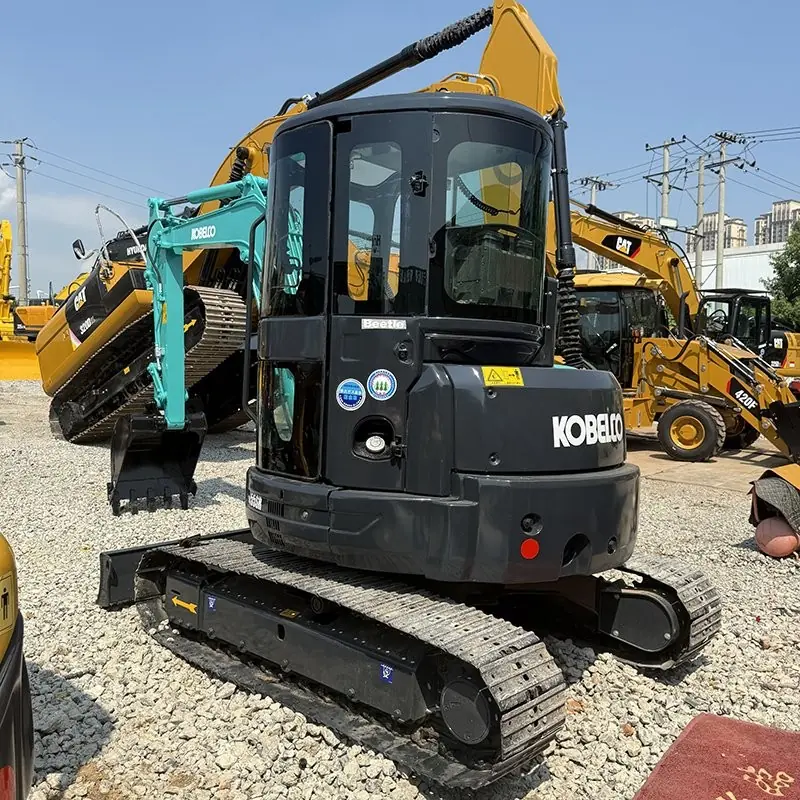
Excavadora usada Kobelco Sk55SR en venta
Respuesta rápida para compradores
Esta excavadora usada Kobelco Sk55SR es una máquina de orugas para movimiento de tierras y obras generales. La ficha muestra un precio de oferta de USD $13,500, un peso de referencia de 5.5t y un cucharón de 0.22m3. Confirme el número de serie, las horas, el estado y el envío de la unidad antes del pago.
- Precio publicado
- USD $13,500
- Peso operativo de referencia
- 5.5t
- Capacidad de cucharón de referencia
- 0.22m3
Descripción del modelo
Esta excavadora usada Kobelco Sk55SR es una máquina de orugas para movimiento de tierras y obras generales. La ficha muestra un precio de oferta de USD $13,500, un peso de referencia de 5.5t y un cucharón de 0.22m3. Confirme el número de serie, las horas, el estado y el envío de la unidad antes del pago.
Las secciones técnicas y las preguntas frecuentes se ofrecen en inglés para conservar la terminología original.
What this 5.5-ton short-radius excavator is designed to do
It is best understood as a compact job-site machine for digging, grading, loading and utility work where maneuvering room, transport planning and ground impact influence productivity. A buyer in this size class is usually balancing two competing needs. The machine must be small enough to enter residential plots, roadside work zones or developed sites, yet capable enough to open service trenches, prepare foundations, shape drainage, load small trucks and handle compatible work tools. Short-radius geometry can reduce the space needed for upper-structure rotation, but it does not make every confined movement safe. Counterweight clearance, boom swing, blade position, track width, overhead services and people inside the work zone still require an operating plan. The most useful evaluation therefore begins with the actual site envelope and task cycle rather than the badge on the counterweight. Measure gates and access roads, identify the normal trench depth and spoil position, estimate the heaviest routine lift, and decide whether the machine will spend more time excavating, grading or using an attachment. Those facts reveal whether this compact class is genuinely suitable or merely convenient to transport.
How to use the listed weight and bucket figures
Use 5.5t and 0.22m3 as shortlist references, then confirm the serial-specific configuration and measured transport dimensions of the offered unit. Operating weight is not one fixed number across all machines carrying the same family designation. Steel or rubber tracks, blade specification, cab or canopy, arm length, coupler, bucket, auxiliary plumbing and optional guarding can change both working mass and transport balance. Bucket capacity also needs context: width, profile, material density and fill factor affect the load presented to the hydraulic system and the stability of the carrier. Ask for a photograph of the identification plate, a clear view of the fitted bucket and measurements of overall width, height and length in the proposed shipping configuration. If the seller supplies a specification sheet, make sure it applies to the relevant serial range and regional variant. For trailer or container planning, use measured values and the carrier's legal limits rather than a catalog estimate. This method keeps useful search data on the page while preventing a reference figure from being mistaken for a unit-level promise.
Best applications and situations where another size may work better
The machine is commonly shortlisted for utilities, landscaping, drainage, small foundations and maintenance work, but repetitive heavy production may justify a larger excavator. For utility contractors, the attraction is the ability to work along roads, buildings and existing services while carrying a trenching bucket, grading bucket or compatible breaker. Landscapers may value controlled grading, stump work and material placement without bringing a much heavier carrier onto finished ground. Municipal and rental fleets can use this class for repairs, culvert cleaning, path construction and varied short-duration tasks. The limit appears when the daily requirement is dominated by deep excavation, long reach, heavy lifting or loading large haul units. A compact excavator operating near maximum reach or hydraulic demand throughout every shift may complete the work, but cycle time, fuel use, component temperature and operator fatigue can make a larger machine more economical. Conversely, extremely narrow gates, delicate surfaces or very light towing limits may point toward a smaller model. Compare realistic hourly production and mobilization cost instead of assuming the smallest machine always delivers the lowest total project cost.
Verify identity, year and displayed operating hours
Treat the meter figure as unverified until a continuous evidence sequence connects the serial plate, monitor and complete machine. This website currently carries a year label and a 500 hour-meter label for cataloging. Those fields can help users filter a list, but they are not proof of machine history, ownership history or actual use. Request one continuous video that begins with the exterior and identification plate, moves to the cab and monitor before start-up, and then shows the same machine operating. Compare the displayed hours with wear on pedals, joysticks, seat, blade pins, bucket linkage, track components and service access points. Consistency does not authenticate a meter by itself, but major contradictions deserve explanation. Maintenance invoices, service records and previous sale documents can add context when they are genuinely available and match the serial number. If the year affects destination import eligibility or resale value, confirm the acceptable evidence with the appropriate broker or local authority before paying. Record all verified facts in the quotation so that the commercial description refers to one identifiable unit.
Cold-start and engine assessment
A genuine cold-start sequence provides more decision value than a short video recorded after the engine has already been warmed. Ask the seller not to start the machine before recording. The video should show the ambient conditions where practical, the monitor before ignition, cranking time, initial warning lights, exhaust behavior and idle stability. Listen for irregular mechanical noise and watch for fluid warnings or smoke that continues after the initial start period. The operator should then raise engine speed gradually and begin light hydraulic movements before progressing to a normal warm operating test. External checks should cover engine-oil and coolant condition where safe, evidence of leakage, damaged wiring, loose hoses, radiator and cooler cleanliness, belt condition and signs of repeated overheating. A video cannot replace diagnostic measurements, oil analysis or an inspection by a qualified technician, but it helps a remote buyer decide whether deeper testing is justified. Do not accept statements such as “original engine” or “no repair needed” unless the evidence and inspection scope support them for the exact unit.
Hydraulic performance and attachment-readiness checks
Evaluate hydraulic response after warm-up in single and combined movements, then confirm that auxiliary plumbing matches the intended attachment. A useful operating video shows travel, swing, boom raise and lower, arm in and out, bucket curl and blade movement without editing away pauses or noises. After the system reaches normal working temperature, look for excessive delay, drift, chatter, weak combined functions or a meaningful change from the cold behavior. Inspect cylinder rods for scoring or corrosion and examine rod seals, hose crimps, valve areas, swivel region and exposed lines for fresh oil or accumulated dirt. If the buyer plans to run a breaker, auger, compactor or other hydraulic tool, photographs of the auxiliary connections are not enough. Confirm required flow and pressure, one-way or two-way operation, return-line arrangement, control method, coupler type and any case-drain requirement using the attachment documentation and serial-specific machine information. Testing pressure or flow should be performed by trained personnel with suitable equipment. The objective is to match the carrier, circuit and work tool, not simply to confirm that hoses are present.
Undercarriage, slew system and structural inspection
Running gear, pin joints, slew condition and repaired structure often have a greater effect on near-term ownership cost than paint quality. Photograph both sides of the undercarriage at ground level and from angles that show track condition, sprockets, idlers, rollers and guards. Ask for measurements where wear percentage is used in the sales description, together with the method and reference values behind the estimate. During travel, observe whether the machine tracks consistently and whether either side produces unusual noise. Check the blade arms, cylinders and pivot points because compact machines often rely on the blade for grading and stability. The boom foot, arm, bucket linkage and coupler should be examined for movement at the pins and for non-factory repairs. Slew play needs to be distinguished from normal movement in other joints; a qualified inspector can isolate the source more reliably. Review the boom, arm, upper frame and lower frame for cracks, distortion, reinforcement plates and welds. A repaired area is not automatically unacceptable, but the buyer needs to understand why it was repaired, how it was completed and whether further inspection is appropriate.
Cab, controls and operator-use review
Confirm that the operator environment, controls and safety-related equipment are complete and functional for the intended shift pattern and local rules. Check the seat and restraint, control levers, pedals, monitor, horn, work lights, mirrors, glass, wipers, access steps and handholds. Where fitted, test heating, ventilation and air conditioning rather than relying on a dashboard photograph. Look for warning indicators before and after start-up and ask about any active fault codes. Control response should be predictable, and the travel controls should be evaluated in a safe open area by a competent operator. Cab wear can also be compared with the meter reading as one part of the wider hour assessment. Safety equipment and certification requirements vary by market and application, especially when the machine will use lifting accessories, work near traffic or operate with a breaker. The destination owner should identify required guarding, alarms, inspection intervals and operator documentation before the machine enters service. A clean interior improves usability, but cleanliness alone does not demonstrate mechanical condition or regulatory suitability.
How to compare price without being misled by the headline number
Compare total delivered cost and supported condition on the same commercial basis rather than ranking listings by advertised price alone. Create a comparison sheet with separate lines for machine price, included buckets or attachments, independent inspection, known repairs, preventive service, origin transport, loading, freight, insurance when requested, destination handling, duties and inland delivery. State the Incoterm and named place for every quotation because two prices that appear similar may include very different responsibilities. Add a repair allowance based on observed wear and local labor and parts costs. A lower-hour label should not receive an automatic premium until identity and history evidence are considered. Likewise, a cosmetically rough machine may be commercially useful when its structure, hydraulics and running gear are supported by stronger evidence. Ask whether taxes, bank charges, dismantling, packing and reassembly support are included or excluded. The best-value choice is the unit that meets the project requirement with an acceptable evidence trail and risk-adjusted delivered cost—not necessarily the cheapest listing or the newest year.
Evidence package for a remote purchase
A remote buyer should receive an organized, serial-linked evidence package before making a material payment commitment. Start with current exterior photographs from all sides, the serial plate, monitor, engine bay, hydraulic areas, undercarriage, bucket and included attachments. Follow with continuous cold-start and warm-operation videos. Request close views of leaks, repairs and wear instead of only wide beauty shots. The written quotation should repeat the serial number, current location, included equipment, stated condition, price basis, payment terms and validity period. If an independent inspection is arranged, agree in writing on access, test limits, responsibility for costs and the identity of the inspector. Diagnostic work must remain within safe procedures and the seller's authorization. Store the quotation, media and report together so an image from another unit cannot be accidentally used in the decision. Before final payment or shipment, reconfirm availability and machine identity. This workflow does not remove commercial risk, but it makes unanswered questions visible and gives the buyer a clearer basis for approval, renegotiation or rejection.
Transport preparation and arrival inspection
Plan transport from measured dimensions, actual weight, attachment layout and the selected route, then document the machine immediately before loading and after arrival. Confirm whether the machine will travel complete or whether a bucket, blade component, canopy item or other part must be removed for the chosen method. The freight plan should identify lifting and securement points, fluid or battery procedures required by the carrier, protection for exposed hydraulic connections and packing for loose parts. Photograph the machine, hour meter, fuel level, attachments and any existing damage immediately before loading. Keep a simple component list so the receiving team knows what should arrive and what is needed for reassembly. At destination, inspect the package before moving the machine, record transport damage, verify the serial number and compare the received equipment with the packing list and quotation. Perform fluid, battery and visual checks before start-up, then use a controlled commissioning sequence. Route availability, transit time, port costs and import requirements change, so obtain current advice from the freight provider and destination broker rather than treating a general product page as route-specific instructions.
A practical five-step purchase decision
Approve the machine only after it passes job fit, identity, mechanical condition, delivered-cost and destination-support checks. First, translate the planned work into access width, digging range, lift need, attachment demand and expected daily production. Second, connect the serial plate, catalog fields, monitor and current media to one machine. Third, review cold-start behavior, warm hydraulics, undercarriage, slew system, pin joints, structure, blade, cab and electrical functions, escalating uncertain findings to a qualified inspector. Fourth, calculate total delivered cost with a realistic allowance for immediate service and measured wear. Fifth, confirm that local technicians can support the serial range and that routine filters, seals, undercarriage parts and attachment components can be obtained on acceptable lead times. Use a written scorecard and record which facts are verified, which are seller statements and which remain unknown. A purchase should proceed because the evidence, economics and job requirement align. If a critical identity document, operating test or cost item remains missing, pause the decision rather than filling the gap with assumptions based on brand reputation.
Kobelco Sk55SR buyer FAQ
What is a used Kobelco SK55SR excavator best used for?
It is commonly evaluated for utility trenching, landscaping, drainage, residential foundations, grading and maintenance work where a compact footprint is valuable. Final suitability depends on the actual working range, access, ground conditions, attachment needs and required production of the serial-numbered unit.
How much does this compact excavator weigh?
This website uses 5.5t as a reference operating weight. The actual figure can change with track type, cab or canopy, arm, blade, coupler, bucket, auxiliary plumbing and guarding. Confirm serial-specific data and measured transport weight before selecting a trailer or freight method.
What bucket capacity is listed on this page?
The catalog reference is 0.22m3. Used machines may carry a different bucket, so request current photographs, width or capacity markings and confirmation of what is included in the quotation. Bucket choice should also match material density, coupler compatibility and the intended task.
What should I inspect before buying?
Prioritize serial identity, cold start, warm hydraulic response, engine and cooling areas, cylinders and hoses, track components, slew condition, blade linkage, pins and bushings, boom and arm structure, cab functions and included attachments. Use a qualified inspector for measurements and diagnostics outside a normal visual and operating review.
How should two used-machine quotations be compared?
Put both quotations on the same Incoterm and named-place basis, then include attachments, inspection, immediate repairs, servicing, origin movement, loading, freight, insurance when requested, destination charges, duties and inland delivery. Compare evidence-supported total cost rather than advertised price alone.
Can this machine operate a hydraulic breaker or auger?
Possibly, but compatibility must be checked for the exact carrier and attachment. Confirm required hydraulic flow and pressure, circuit direction, return arrangement, case drain where applicable, coupler, tool mass and control setup using serial-specific machine information and the attachment manufacturer's requirements.
Can an independent inspection be arranged?
An inspection may be arranged when buyer and seller agree on machine access, inspector, scope, test limits, timing and costs. The report and media should identify the same serial-numbered unit shown in the quotation, and any diagnostic work should follow safe procedures.
Related Kobelco excavators
- Kobelco SK60 — 6t reference weight
- Kobelco SK70SR — 7t reference weight
- Kobelco SK75 — 7.5t reference weight
Solicitar datos de la unidad
Indique el puerto de destino, la cantidad y sus prioridades de inspección. Responderemos con datos de la máquina concreta.
Solicitar datos de la unidad · Solicitar pruebas de inspección por WhatsApp · sales@lihangusedmachinery.com