Excavadora usada CAT 325D2L en venta
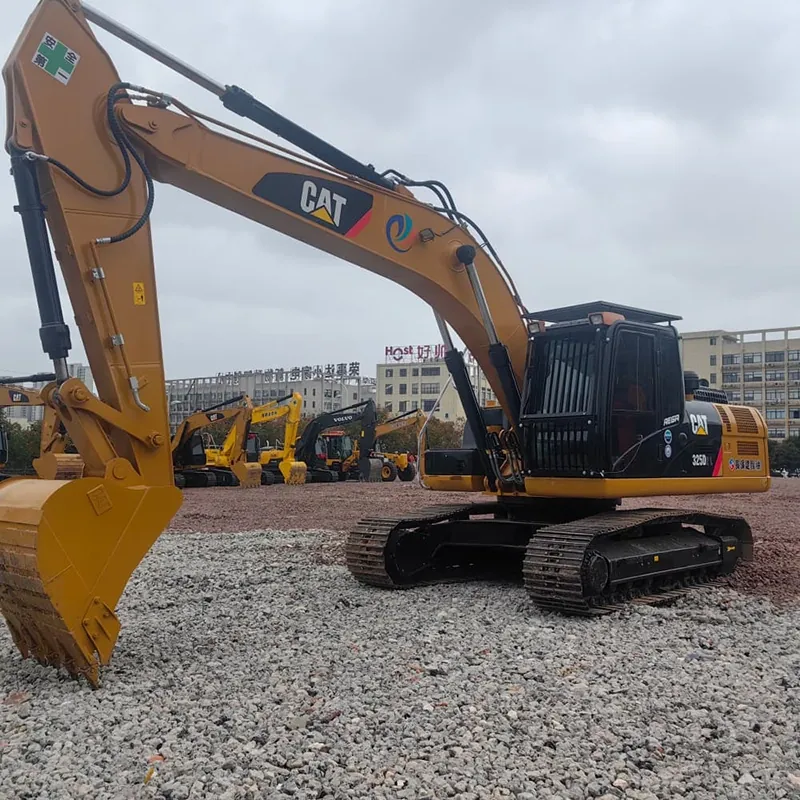
Respuesta rápida para compradores
Esta excavadora usada CAT 325D2L es una máquina de orugas para movimiento de tierras y obras generales. La ficha muestra un precio de oferta de USD $26,500, un peso de referencia de 26t y un cucharón de 1.4m3. Confirme el número de serie, las horas, el estado y el envío de la unidad antes del pago.
- Precio publicado
- USD $26,500
- Peso operativo de referencia
- 26t
- Capacidad de cucharón de referencia
- 1.4m3
Descripción del modelo
Esta excavadora usada CAT 325D2L es una máquina de orugas para movimiento de tierras y obras generales. La ficha muestra un precio de oferta de USD $26,500, un peso de referencia de 26t y un cucharón de 1.4m3. Confirme el número de serie, las horas, el estado y el envío de la unidad antes del pago.
Las secciones técnicas y las preguntas frecuentes se ofrecen en inglés para conservar la terminología original.
How to size CAT 325D2L against the real job
A production excavator such as CAT 325D2L is usually evaluated when the work mix includes mass earthmoving, pipe work, road construction, quarry support and truck loading. A buyer should test CAT 325D2L against real site constraints rather than relying on tonnage alone: access width, lift radius, soil type and attachment flow all matter. The fleet logic is daily production without moving into very heavy transport; the trade-off is that moving up or down one size can materially change fuel, haulage and attachment choices.
How to verify CAT 325D2L weight, bucket and configuration
Because marketplace specifications for CAT 325D2L can mix regional variants, the serial plate should be the anchor for final data. The page also carries a manufacture-year label and 1400 hour-meter label; keep both as listing metadata until current images, video or documents connect them to the same CAT 325D2L. To avoid specification drift on CAT 325D2L, retain the generation suffix for parts lookup and specification checks. For CAT 325D2L, record bucket width, arm configuration, track type, auxiliary lines and transport dimensions on one machine identity sheet.
Identity and variant control for CAT 325D2L
For CAT 325D2L, keep the full model designation and serial identity attached to every specification, image, video and quotation used in the purchase decision. Keep the complete designation “CAT 325D2L” in the quotation, inspection folder and shipping file; shortening it can hide a suffix that matters for specifications or parts. For CAT 325D2L, the manufacture-year label and 1400 meter label are search and catalog fields, not confirmed unit facts unless current evidence connects them to the offered serial number. A remote buyer should be able to trace CAT 325D2L from plate to video to paperwork without relying on filenames, paint condition or seller descriptions. Variant handling for CAT 325D2L: preserve the suffix D2 and match it to the identification plate before using variant-specific specifications. For CAT 325D2L, close alternatives including CAT 326D2L, CAT 324D2L should stay separate in the sourcing file so measurements, videos and quotations cannot drift between machines. People searching “CAT 325D2L specs” or “used CAT 325D2L for sale” need a page that identifies the model clearly while refusing to turn unconfirmed listing fields into facts about a specific unit.
Used CAT 325D2L inspection priorities
A used CAT 325D2L inspection should prioritize warm hydraulic speed, combined-function response, swing bearing, final drives, structural repairs and measured undercarriage wear. With CAT 325D2L, ask the operator to demonstrate travel, swing, boom, arm and bucket in one continuous sequence after warm-up. A CAT 325D2L condition file should make abnormal wear visible instead of summarizing it as “good condition,” especially around structure, running gear and hydraulic joints. Because CAT 325D2L is a Caterpillar model, also document serial-range parts support, diagnostic access, undercarriage cost and the exact configuration suffix.
Price the offered CAT 325D2L, not the model name
For CAT 325D2L, headline price is only one line in the buying model; delivered cost and near-term wear work often change the ranking. For CAT 325D2L, ask each supplier to state what is included, what is excluded and which condition observations were used to set the asking price. For CAT 325D2L, age and hours matter only when they can be linked to the same serial-numbered machine being priced. For CAT 325D2L, buyers with a capable workshop may accept more wear than buyers who depend on dealer support, so the same machine can carry different practical value.
From origin yard to destination: moving CAT 325D2L
Export planning for CAT 325D2L should start with measured dimensions and weight in transport configuration. At this size, the practical issues for CAT 325D2L include container or flat-rack options, partial dismantling, low-bed movement, port lifting and route permits. Keep CAT 325D2L loading photographs tied to the same serial number shown on the invoice, packing information and transport document. Destination import rules, age limits, taxes and conformity requirements for CAT 325D2L must be checked with the buyer’s broker or local authority because they vary by country.
CAT 325D2L model-specific comparison notes
CAT 325D2L should be compared with nearby CAT models using reference size, actual condition and destination cost together. A size comparison places CAT 325D2L 1.9% lighter than CAT 326D2L; CAT 324D2L provides a second reference point before the buyer moves to a different weight class. CAT 325D2L uses a 1.4m3 catalog bucket reference, compared with 1.45m3 for CAT 326D2L; that difference should be checked against actual installed buckets, not treated as guaranteed production. With CAT 325D2L at 26t and CAT 326D2L at 26.5t, transport should be quoted from measured loading dimensions rather than assuming the two machines move the same way. The final reason to choose CAT 325D2L should come from unit-specific condition and project fit, not from repeating generic claims that could describe any excavator in the class. For the query “CAT 325D2L price,” the defensible answer is a range built from age evidence, meter support, wear, attachments, repairs and route-specific freight rather than one universal figure. A “CAT 325D2L weight” or “CAT 325D2L bucket capacity” search can start with this page, but the purchase file should preserve measured and serial-specific values for the actual unit.
A practical buying scenario for CAT 325D2L
For a project team choosing between one versatile excavator and two more specialized machines, CAT 325D2L can be evaluated through four gates: job fit, mechanical evidence, total delivered cost and destination support. CAT 325D2L should first be tested against the project’s deepest cut, routine lift radius, access width and expected material density. Next, CAT 325D2L needs a condition file that shows identity, cold starting, warm combined functions, travel, swing and the wear areas most expensive to correct. Then price CAT 325D2L on an equal commercial basis with alternatives, including attachments, immediate repairs, loading, ocean transport and destination handling. The last decision gate for CAT 325D2L is support after arrival: technician familiarity, diagnostics, parts availability and the project’s tolerance for downtime. This sequence gives CAT 325D2L a clear pass-or-fail path: project fit, confirmed condition, comparable landed cost and serviceability at the destination.
When a smaller or larger excavator may beat CAT 325D2L
A useful CAT 325D2L shortlist should include CAT 326D2L, CAT 324D2L and CAT 324D2 before one model is treated as the automatic winner. The CAT 325D2L evaluation is strongest when each candidate is judged after inspection evidence is available and on the same freight basis. For CAT 325D2L, moving one class up or down can change bucket choice, truck matching, low-bed requirements and daily fuel, so the trade-off should be calculated rather than assumed. The final CAT 325D2L choice should remain serviceable where it will work, not just attractive where it is purchased.
CAT 325D2L buyer FAQ
What does the "325" in this model name actually mean?
It reflects Caterpillar's general practice of using the model number to indicate approximate operating weight in metric tonnes — a 325-class machine sits around 25 tonnes, one weight class above the 320-class machines in our lineup, which is a genuinely useful way to compare Caterpillar models against each other at a glance.
How much more capacity does this actually offer over the 320-class machines you list?
Meaningfully more bucket capacity, digging force, and cycle speed — roughly a quarter more operating weight translates into real productivity gains on jobs that need the extra volume, without the fuel consumption or transport complexity of a 30-ton-plus machine.
Does the long undercarriage work the same way here as on your other Caterpillar listings?
Yes, the same fore-and-aft stability principle applies, though the practical benefit scales up somewhat given the larger loads and reach typical of this weight class compared to the 320-class platform.
Is this a good choice if I'm not sure whether I need this much machine?
If your work regularly runs up against a 20-ton class machine's bucket or reach limits, yes. If you're uncertain, it's worth comparing your typical job's material volume against this platform's bucket capacity directly rather than defaulting to the larger size out of caution.
How is the engine different from the smaller platform in your lineup?
It's a larger-displacement Caterpillar diesel, generally in the C7.1 ACERT family rather than the smaller C4.4 engine, providing the higher sustained hydraulic flow this larger platform needs to work a bigger bucket efficiently.
Does Caterpillar's numbering convention apply to every model in their lineup?
Generally yes, for the excavator range — model numbers broadly track operating weight in tonnes, though exact weights vary somewhat by generation and configuration, which is why we always confirm actual specifications for a specific unit rather than relying on the model number alone.
Related CAT excavators
- CAT 326D2L — 26.5t reference weight
- CAT 324D2L — 25.2t reference weight
- CAT 324D2 — 24.5t reference weight
Solicitar datos de la unidad
Indique el puerto de destino, la cantidad y sus prioridades de inspección. Responderemos con datos de la máquina concreta.
Solicitar datos de la unidad · Solicitar pruebas de inspección por WhatsApp · sales@lihangusedmachinery.com