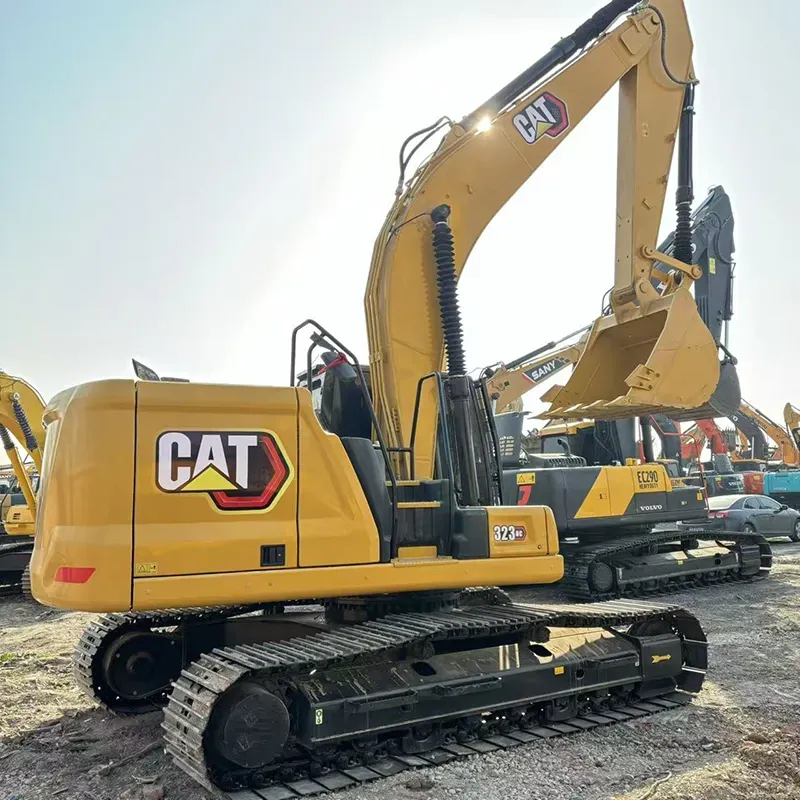
Excavadora usada CAT 323GC en venta
Respuesta rápida para compradores
Esta excavadora usada CAT 323GC es una máquina de orugas para movimiento de tierras y obras generales. La ficha muestra un precio de oferta de USD $25,000, un peso de referencia de 23t y un cucharón de 1.2m3. Confirme el número de serie, las horas, el estado y el envío de la unidad antes del pago.
- Precio publicado
- USD $25,000
- Peso operativo de referencia
- 23t
- Capacidad de cucharón de referencia
- 1.2m3
Descripción del modelo
Esta excavadora usada CAT 323GC es una máquina de orugas para movimiento de tierras y obras generales. La ficha muestra un precio de oferta de USD $25,000, un peso de referencia de 23t y un cucharón de 1.2m3. Confirme el número de serie, las horas, el estado y el envío de la unidad antes del pago.
Las secciones técnicas y las preguntas frecuentes se ofrecen en inglés para conservar la terminología original.
Value Tier, Heavier Frame
This trim follows the same basic logic discussed elsewhere in our lineup for the lighter 20-ton class value trim: reduced acquisition cost, lower fuel consumption, and extended service intervals compared to the premium tier at the same general weight class, in exchange for a smaller standard technology package. Here, that value positioning applies to a genuinely bigger machine — more bucket capacity, more digging force, and a heavier working frame than the lighter value trim offers — for buyers whose job volume has outgrown the smaller weight class but who still don't need the premium tier's maximum lift capacity and integrated grading technology.
Engineered for Extreme Climates, Not Just Moderate Ones
This is the detail that matters most for buyers importing this machine into a demanding environment: it carries a standard high-ambient temperature rating up to 52°C and a cold-start capability down to -18°C, with an automatic hydraulic oil warm-up system that speeds up cold-weather startup and helps protect components from the added wear that comes with operating cold hydraulic fluid before it's reached proper working temperature. It's also rated to work at altitudes up to roughly 3,000 meters above sea level without engine power derating, which matters significantly for buyers in high-altitude regions where thinner air normally forces a reduction in usable engine output on machines not specifically rated for it. For a domestic buyer working in one consistent climate, these numbers might read as a footnote. For an international buyer importing into a Middle Eastern summer, a high-altitude South American or Central Asian job site, or a cold Northern winter, this operating envelope is the difference between a machine that performs as advertised and one that needs costly aftermarket modification or simply underperforms in conditions the base design wasn't built to handle. Confirming these ratings match your actual destination conditions before finalizing a purchase is a genuinely practical step, not just a spec sheet curiosity. This is worth taking seriously precisely because the failure mode when a machine isn't rated for its actual operating environment tends to be gradual rather than dramatic — an engine that quietly runs hotter than it should in extreme heat, a hydraulic system that takes longer than expected to reach proper operating temperature on cold mornings, or a machine that simply can't deliver its full rated power at altitude, all of which shorten component life and reduce productivity without necessarily causing an obvious breakdown that would prompt someone to investigate. A machine actually engineered for the conditions you're sending it into avoids that slow, hard-to-diagnose underperformance entirely.
Undercarriage Details Built for Harsh Ground Conditions
Beyond climate, this trim includes a few undercarriage design details worth knowing about if your destination site involves muddy, sloped, or debris-heavy ground. A track guide component helps keep the track properly aligned when traveling and working on slopes, reducing the risk of the track walking off true and causing premature wear or, in worse cases, derailment. The track frame itself is sloped rather than flat, specifically to help shed mud and debris rather than let it accumulate and pack in around the rollers and frame, which is a genuinely useful design choice for sites with heavy clay, wet ground, or loose fill material. Grease is also sealed directly between the track pins and bushings at the factory, reducing both manual greasing frequency and noise from these high-wear contact points. Together, these three details address a common but often overlooked failure mode on excavators working muddy or sloped sites: undercarriage damage that develops gradually from accumulated debris and misalignment rather than from any single dramatic event. A machine that fights this kind of wear by design, rather than relying entirely on an operator remembering to clear debris and check alignment regularly, tends to hold its undercarriage condition noticeably better over years of use on genuinely difficult ground, which is exactly the kind of site condition many of our international buyers are actually working in.
Higher Swing Torque and Modern Hydraulic Control
This trim also delivers meaningfully higher rotation torque — roughly ten percent more than the platform it replaced — through a new electrohydraulic pump and main control valve design that reduces internal pressure losses compared to older pilot-line hydraulic architectures. Paired with a smart operating mode that automatically matches engine and hydraulic output to actual digging conditions, the combined effect is genuinely useful swing performance for loading and repositioning work, delivered through a more fuel-efficient hydraulic system than the design it replaced.
Predictive Maintenance Support
An optional integrated health monitoring system is available on this trim, alerting the operator or fleet manager to developing maintenance needs and the specific parts likely required, aimed at avoiding unplanned downtime rather than waiting for a component to fail outright. Whether this specific unit includes this system, and whether it's still actively connected and reporting, is confirmed in its individual listing rather than assumed from the trim name alone. For an international buyer, a system like this carries slightly different value than it does for a domestic fleet operator working near a dealer network. Where dealer support and same-day parts availability aren't guaranteed, getting advance notice that a component is trending toward needing service — rather than discovering a failure after the fact — gives you time to source parts and schedule downtime on your own terms rather than being caught off guard mid-project. This is exactly the kind of feature that sounds minor on a spec sheet but proves genuinely valuable the first time it actually flags something worth addressing before it becomes an expensive, unplanned repair.
Engine and Working Specifications
This platform's base configuration runs at approximately 25 tons operating weight, with a bucket capacity around 1.3 m³, maximum digging depth around 6.7 m, and maximum horizontal reach around 9.9 m. Tear-out force is rated around 140 kN, giving this trim genuine digging strength appropriate to its heavier frame. Engine output across Caterpillar's duty-matched lineup at this general weight class falls in the range of roughly 121–162 horsepower, tuned for this trim's efficiency-focused positioning rather than maximum output. As always, these figures describe the general platform rather than confirming every detail of this specific unit — the exact bucket size, climate rating documentation, and any additional equipment fitted are documented in this machine's individual spec sheet.
Where This Trim Genuinely Makes Sense
This trim suits buyers who need more capacity than the lighter value trim offers, want to keep acquisition and operating costs down rather than paying for premium-tier technology, and — critically for many of our international buyers — need a machine that will actually perform reliably in a demanding climate rather than one rated only for moderate conditions. It's a particularly strong fit for utility and general contracting work in hot, cold, or high-altitude regions where a machine's environmental operating envelope matters as much as its digging specs.
What to Check Before Buying a Used Machine at This Trim Level
Beyond the general engine and hydraulic checks that apply to any used excavator, a few points matter specifically here: Each of these is documented in the condition report and verification notes provided with this listing.
Shipping This Machine Overseas
At this weight and size, this machine typically requires the boom and arm to be removed to fit into a standard container, following the same general process as other machines in this weight class throughout our lineup. The rest of the export process follows our usual steps: confirming the unit and price, agreeing payment terms, a final pre-shipment inspection with current photos or video, preparing export documentation, and coordinating loading and vessel booking based on your destination port's specific requirements and available handling equipment. If this trim's capacity and climate rating fit your destination conditions, ask for the trim verification notes, condition report, and current photos or video for this exact unit, along with a shipping quote to your destination port. We're glad to answer questions about how it compares to the other trims in our lineup, how we confirmed its specific climate and configuration ratings, or whether its environmental operating range actually matches your specific destination, before you decide.
CAT 323GC buyer FAQ
How does this compare to the lighter value trim you also list?
This trim offers meaningfully more bucket capacity, digging force, and a heavier working frame, aimed at buyers whose job volume has outgrown the lighter weight class while still prioritizing lower acquisition and operating costs over premium technology.
What does the altitude rating actually mean in practice?
The engine can deliver its full rated power up to roughly 3,000 meters above sea level without automatic derating, which matters significantly for buyers working in high-altitude regions where thinner air normally reduces usable engine output on machines not specifically rated for it.
Is the cold-start capability enough for genuinely cold winters?
The rated cold-start capability down to -18°C, combined with the automatic hydraulic warm-up system, is built for real cold-climate use rather than mild seasonal dips, though extremely severe winter conditions may still warrant additional cold-weather preparation.
What's the practical benefit of the higher swing torque?
Faster, more responsive repositioning and loading cycles, particularly noticeable during high-volume truck loading work where swing speed directly affects overall cycle time.
Is this trim a good fit if my destination climate is fairly moderate?
Yes — the extreme-climate engineering doesn't come at the cost of performance in milder conditions, so buyers in moderate climates still benefit from this trim's efficiency and value positioning even without needing its full environmental range.
Solicitar datos de la unidad
Indique el puerto de destino, la cantidad y sus prioridades de inspección. Responderemos con datos de la máquina concreta.
Solicitar datos de la unidad · Solicitar pruebas de inspección por WhatsApp · sales@lihangusedmachinery.com