Inicio / Blog
CAT 320 vs Komatsu PC200: Used Excavator Comparison for Contractors
A reference comparison of CAT 320 and Komatsu PC200 model characteristics, including engine, hydraulic and service considerations. Exact specifications vary by series and configuration.
July 27, 2026 · Comparison
El contenido técnico completo está disponible en inglés para conservar los términos originales.
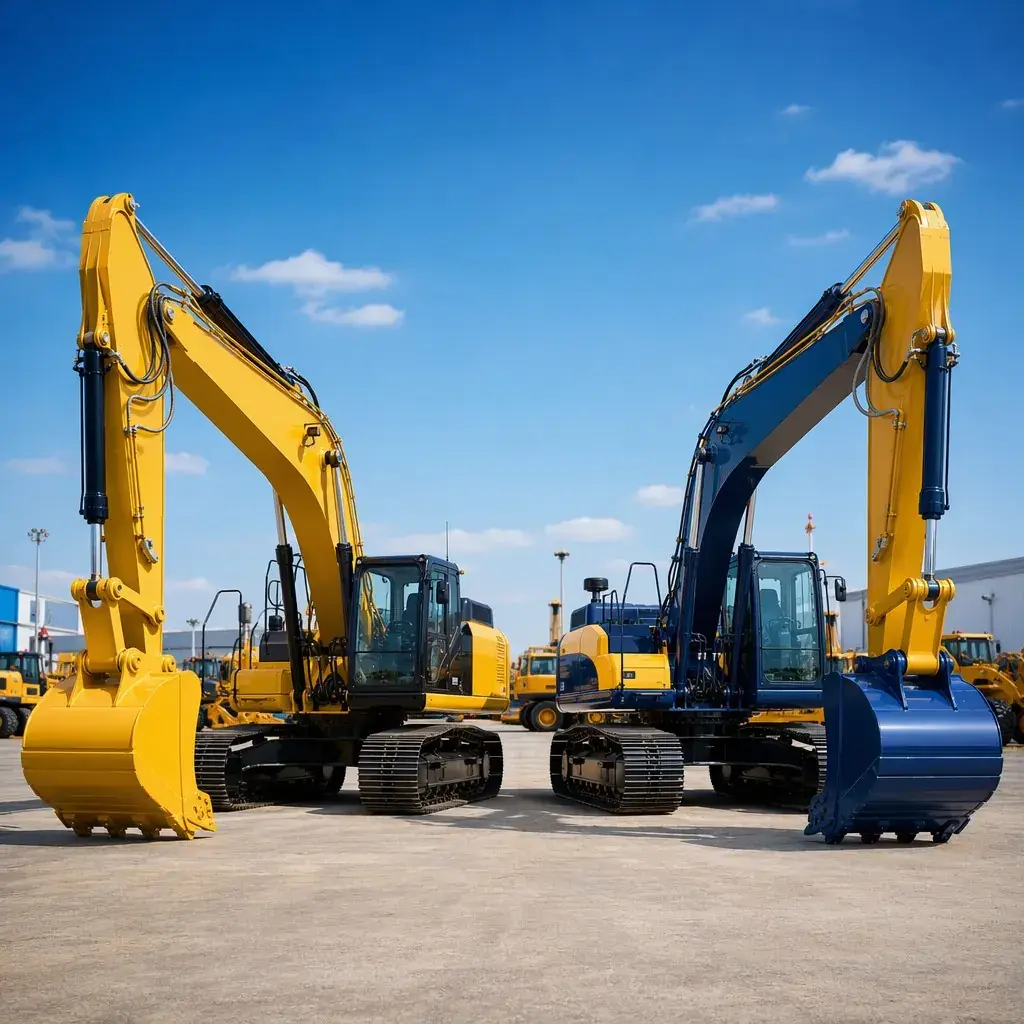
In the global arena of heavy earthmoving, two names consistently dominate the conversation for contractors evaluating 20-ton class machinery: Caterpillar and Komatsu. For over four decades, the rivalry between the CAT 320 and the Komatsu PC200 has defined the technological trajectory of hydraulic excavation. For contractors looking at the used market in 2026, choosing between a used CAT 320 excavator for sale and a Komatsu PC200 review unit is not just about brand loyalty—it is a high-stakes calculation of fuel efficiency, hydraulic precision, and long-term resale value.
Acquiring a 20-ton workhorse is often the most significant investment an independent contractor or fleet manager will make. This guide provides an exhaustive, multi-dimensional comparison of these two legends, helping you determine which machine will deliver the highest return on investment for your specific project profile. Whether you are performing high-volume foundation trenching or precision utility grading, understanding the technical DNA of these machines is the first step toward a more profitable future. Explore our latest certified excavator inventory to see these units in 95% new condition.
1. Powertrain Evolution: Torque Curves and Fuel Economy
The core of any excavator's performance lies in its engine-to-hydraulic synchronization. Both CAT and Komatsu have taken distinct engineering paths to achieve Tier 4 Final compliance and beyond.
Caterpillar 320: The ACERT and C7.1 Advantage
The CAT 320 series, particularly from the 320D to the next-generation GC and GX models, utilizes the Cat C7.1 engine platform. This power plant is celebrated for its ability to maintain a flat torque curve, which is critical for consistent digging force under varying soil densities. The primary technical advantage of the CAT powertrain is its integration with the Cat Product Link technology, which provides real-time fuel mapping adjustments based on altitude and ambient temperature. For contractors operating in the tropical climates of Southeast Asia or the high-altitude projects of South America, the CAT 320 offers a level of thermal stability that few competitors can match. In our used CAT 320 excavator for sale audits, we consistently see these engines reaching 10,000 hours with minimal blow-by, provided a rigorous maintenance schedule is followed.
Komatsu PC200: The SAA6D107E-1 Efficiency
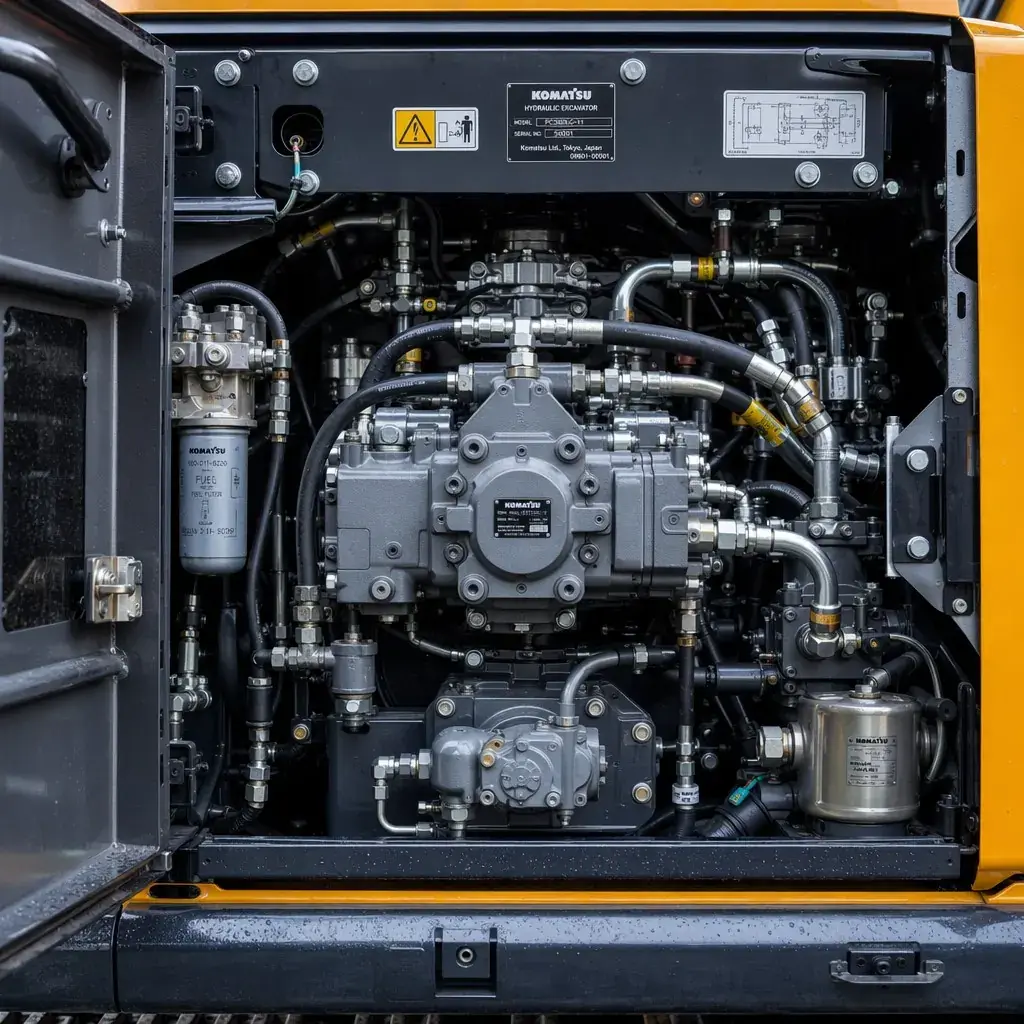
The Komatsu PC200 review units, specifically the -8 and -10 series, are powered by the legendary SAA6D107E-1 engine. Komatsu’s design philosophy focuses on 'harmony' between the engine and the hydraulic pumps. The Komatsu engine often features a slightly higher displacement for its class, which allows it to generate massive digging torque at lower RPMs. This results in significant fuel savings during 'Economy' mode operations. Many contractors find that the PC200 excels in 'lifting' and 'grading' modes, where steady, predictable power is more valuable than raw speed. The Komatsu KOMTRAX system provides granular data on idle time versus working time, helping fleet managers reduce wasted fuel by up to 15% across a multi-year project.
Quick Comparison: CAT 320 vs Komatsu PC200
Which machine has faster cycle times?
The CAT 320 generally features faster swing and boom-up speeds, making it the superior choice for high-production truck loading.
Which excavator is better for precision grading?
The Komatsu PC200's CLSS hydraulic system provides more sensitive and intuitive feedback, often requiring fewer passes to achieve a level final grade.
Which unit holds its resale value better?
The Caterpillar 320 is the global standard for resale, typically commanding a 10-15% premium over comparable used Komatsu units in the second-hand market.